
Lifting
How Long Does a Thread Lift Last, and How Many Days Should You Stay in Seoul?
A dissolvable thread lift usually holds for about 6 to 12 months, depending mostly on which thread is used. We work with five thread types, and swelling usually settles within 2 to 5 days.
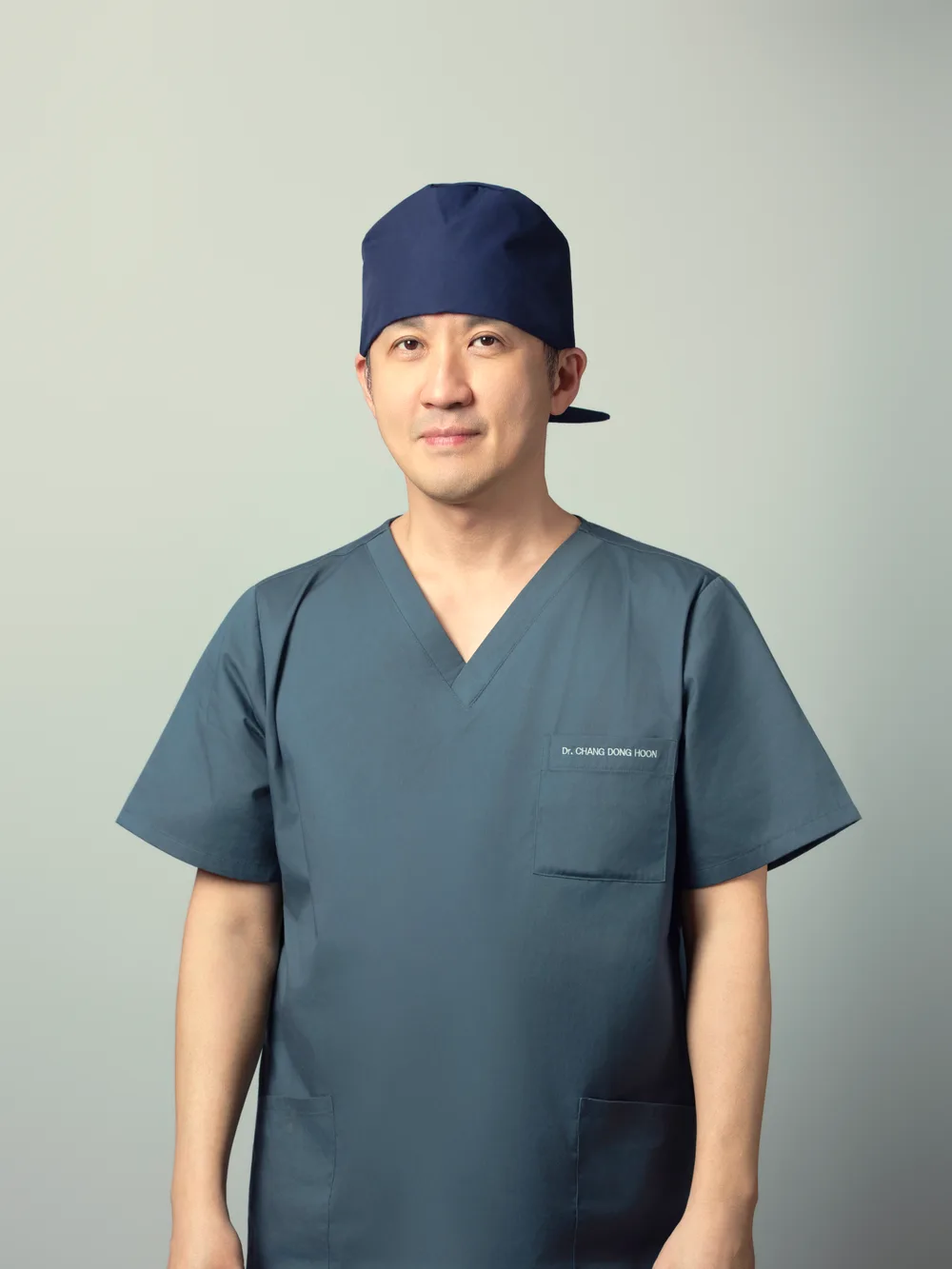
Written and medically reviewed by Dr. Jang Dong-hoon · Founder & Medical Director
Published · 8 min read
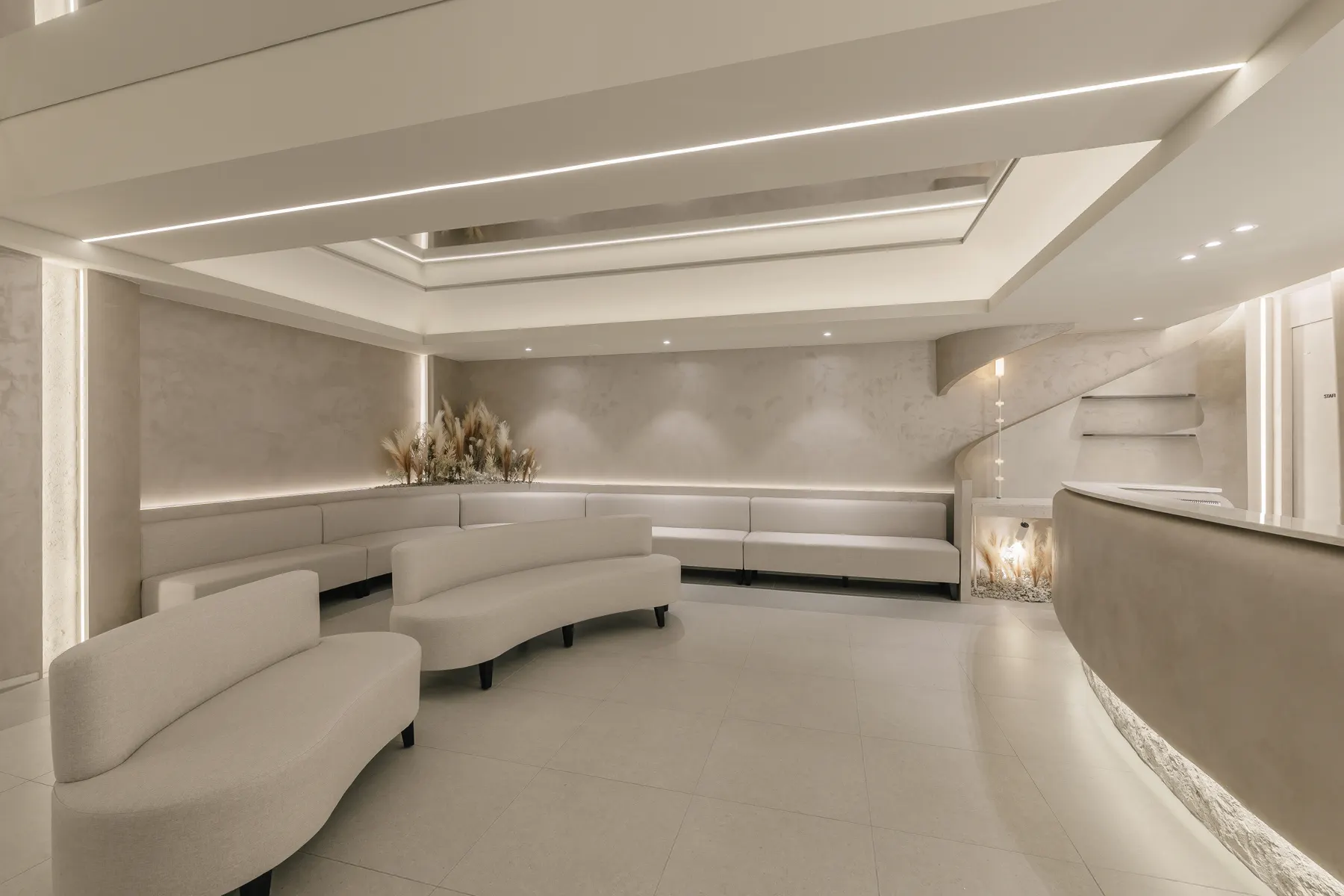
How long does a thread lift last, and will the swelling be gone before you board the flight home?
The threads themselves break down, and the collagen that forms along them carries the effect afterwards. For your trip, most people are back to their normal routine the next day and swelling settles over the first week, so threads placed early in a seven-day stay usually fit.
Hello, I'm Dr. Jang Dong-hoon, Founder & Medical Director of THE Beautiful Clinic in Gangnam, Seoul.
Your consultation begins with a 3D scan of your skin, which shows where the descent started before we talk about threads at all. We work with five thread types, and the type chosen is the biggest single reason one lift holds longer than another.
If your dates are already set, send a front and a side photo taken in daylight on WhatsApp, with your arrival and departure days, and ask whether threads fit inside that window. Clinic staff interpret in English at no extra charge, arranged for your appointment time, and the clinic answers within 24 business hours.
Why can't anyone promise a number of months?
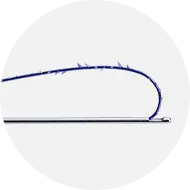
Because a dissolvable thread does two jobs on two clocks. On the day, small barbs or cones on a cog thread hold tissue in its new position; that is the lift you see in the mirror. Over the following weeks, your body lays down collagen along the thread as it is absorbed. Once the thread has gone, that collagen is what remains.
So how long does a thread lift last on one face compared with another? It shifts with a few things you can actually check:
- The thread type: a smooth mono thread adds density, a cog thread holds a lift.
- How far the tissue has dropped: early jowls respond well, heavy descent strains the threads harder.
- Skin thickness and weight: thin skin over little fat shows the lift sooner and loses it sooner, and a large weight change undoes it.
- The direction of pull: a thread placed along the line where the cheek actually descended carries less strain.
- The first two weeks: wide yawning, hard chewing and face massage tug on threads while they are anchoring.
Risks and side effects to know
Good long-term studies on thread lifts are scarce, which is why I'd distrust any quote of an exact month. The American Society of Plastic Surgeons describes the procedure as suited to people who want to soften wrinkles and early jowls, and that wording says a lot about where threads hold and where they don't. If you've read my Thread lift Korea guide on what the threads do and how long you swell, this post goes one step further into timing.
Which thread type are you getting, and why does it matter?
On our menu there are five, and they are not interchangeable.
| Thread | What it is for | What that means for longevity |
|---|---|---|
| Ultra V mono | Density, fine texture | Gentle firming, little mechanical lift to lose |
| Cog | Lift of the cheek or jawline | The visible lift; holds while barbs anchor, then relies on collagen |
| Jamber | Collagen volume | Builds fullness gradually over weeks |
| HIKO PCL or PDO | The nose | PCL generally breaks down more slowly than PDO |
Across medical writing, PCL is described as dissolving more slowly than PDO, so a PCL nose thread usually keeps its shape longer. For the face, the cog thread decides most of what people mean by how long a result holds. You'll find all five on our thread lifting treatment page.
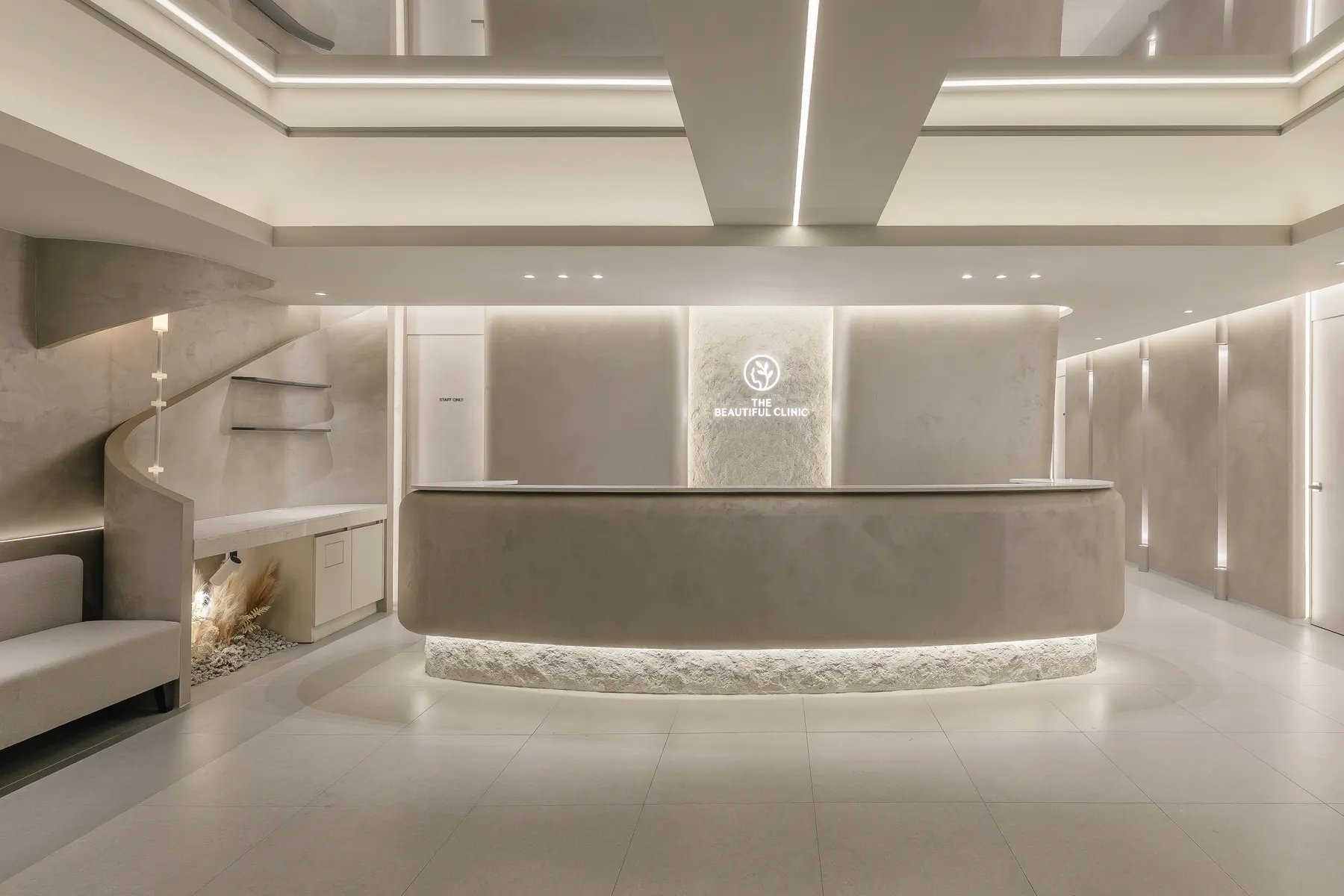
Your days in Seoul, from the chair to the gate
The clinic is open Monday to Thursday 10:30 to 19:30, Friday until 20:30 and Saturday until 16:30, and closed on Sundays and public holidays. Threads have real downtime compared with a laser, so I'd rather you schedule them with your week in mind than squeeze them into the last afternoon.
| When | What you'll likely notice | What fits your trip |
|---|---|---|
| Day 0 | Tightness, small entry points, possible bruising | Rest at the hotel, soft food |
| Day 1 | Most people are back to normal routine | Walking, museums, slow meals |
| Days 2 to 4 | Swelling, tenderness when chewing or yawning | Light plans, no sauna or spa |
| Days 5 to 7 | Swelling settling for most | Dinners out; a flight is reasonable |
| Weeks 2 to 12 | Collagen forming as threads absorb | At home; judge the result at three months |
Say you land at Incheon on a Saturday night and fly out the following Sunday. The clinic is closed that first Sunday, so Monday morning becomes your consultation and scan; if threads are the plan, placing them that Monday or Tuesday gives you five or six days of settling before the gate. If you also want a lifting device on the same trip, say so early: in our Total Lifting plans we schedule energy around threads placed in the last six months, not over them, so the order of your days matters.
Once your plan looks like this, send both flight times and the area of Seoul you're staying in on WhatsApp, and ask which day the threads should go in.
How often do swelling, dimpling or a thread you can feel happen?
Bruising is also possible. A commentary in Aesthetic Plastic Surgery notes that with dissolvable threads a dimple fades as the barbs or cones dissolve, and that one which settles within about four weeks is part of healing rather than a complication.
As general medicine, these are reasons to wait or skip it:
- An active skin infection or cold sore in the area.
- Pregnancy or breastfeeding.
- Blood thinners you haven't discussed with your own doctor.
- A tendency to keloid scars.
Tell me about fillers or threads already placed in the same area, and about any medication that affects healing. How long swelling lasts, and how long the lift holds, differs from one face to another.
After you fly home, three situations deserve attention. A thread end you can feel poking under the skin, or a dimple still there after four weeks: send a close photo in daylight on WhatsApp. Spreading redness, heat, pus or fever: see a doctor near you that day, and show them the thread type written on your treatment record. A cheek that feels lopsided in week one is usually swelling; photograph it and compare again at day ten.
Keeping the lift once you're home
For the first two weeks, most doctors advise sleeping on your back, avoiding wide yawns and very chewy food, and skipping facial massage and gua sha. The threads are anchoring then, and not pulling on them is the part you control.
If you add filler on a later trip, my piece on how long contour filler swelling lasts helps you plan those days. And if your real goal is skin quality rather than lift, a booster runs on a different clock, explained in how long Rejuran lasts and what a full course means for your trips.
Booking threads around a fixed flight
There is no deposit, and changing or cancelling is free, so a first message commits you to nothing. You can see the clinic, the address near Nonhyeon Station Exit 5 and the team on the English homepage of THE Beautiful Clinic. There is no patient parking, so come by subway or taxi.
Send one daylight photo from the side, your two flight dates, and the question you most want settled: is the sag I see a thread case, and how many days should I keep free afterwards? When you come, the first thing I'll look at on the scan is where your cheek began to descend, because that line decides where the threads go and how long they hold. Asking costs nothing and books nothing. If you already know what you want, tick it on the booking page; there is no deposit, and changing or cancelling is free.
At a glance
Thread Lifting at a glance
- Works onSubcutaneous planeDowntime2–5 days of swellingTypically lasts6–12 monthsFrom≈ $371₩499,000
Which one fits is decided at the examination, not from this table. Prices are the lowest listed option, before 10% VAT. US dollar figures are approximate, at the exchange rate of 10 November 2026. The clinic charges in Korean won.
The short version
- Dissolvable threads usually lift for about 6 to 12 months; collagen carries the effect once they absorb.
- Thread type, how far the tissue has dropped and the direction of pull decide most of how long it holds.
- Most people are back to normal routine the next day; swelling settles over the first week.
- Place threads early in the trip and keep five or six days before the flight.
- Tell any clinician at home about your threads before radiofrequency or ultrasound near them.
Questions patients ask
Can I fly the day after a thread lift?
Flying itself is generally fine because there is no open wound, only small entry points. The reason to wait is comfort and swelling: cabin air is dry and you sit still for hours, so drink water, skip alcohol on board and keep your head upright. Most people find a flight on day five or later far easier than on day one.
Does a thread lift hurt?
Thread lifts are generally done under local anaesthesia, so the placement itself feels like pressure and tugging more than sharp pain. The soreness people mention comes later, for a few days, when chewing or yawning. Ask which numbing would be used for your plan when you message.
Does the face drop suddenly when the threads dissolve?
No. Absorption is gradual over months, and the collagen formed along the threads stays after they are gone, so any loss of lift is slow. Most people notice a softening over time rather than a sudden change.
Can threads be placed again when the effect fades?
Yes, threads can be repeated once the earlier ones have absorbed. Bring the name of the thread type and the date it was placed, because older threads still present change where new ones can safely go.
Can I have filler and threads on the same trip?
Often they are combined, but both can bruise and the order matters, so plan them as one schedule rather than two separate bookings. Mention any filler placed in the last six months, even if it was done elsewhere.
Will people see marks from the threads?
Threads go in through small entry points only, with no incision. These are usually hard to spot after a day or two; bruising, if it appears, is the more visible part and generally fades within the first week or two.
Results and recovery vary between individuals, and every treatment can have side effects. Prices are from the clinic's price list and are confirmed at consultation. This article is general information, not a diagnosis.
Sources
About the author
Dr. Jang Dong-hoon
Founder & Medical Director
Founder and medical director of THE Beautiful Clinic in Nonhyeon, Gangnam. He sees every patient's skin analysis before a plan is drawn, and reviews every article on this blog against what the clinic actually does.
Credentials in full