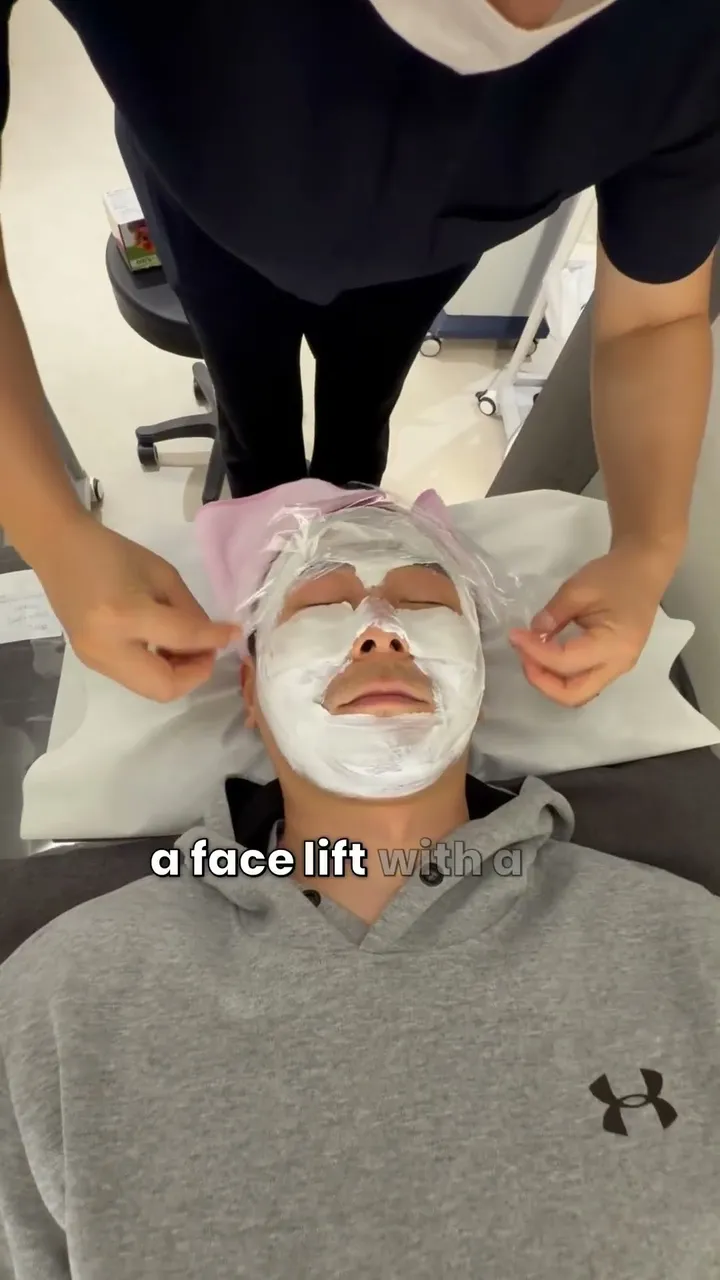

Lifting
Thread Lifting vs HIFU: Dropped Tissue or Loose Skin, Downtime and Seoul Days
Threads put dropped tissue back; HIFU firms skin that has loosened while the structure stays put. After each HIFU session, plan 3 days without sauna, hot yoga or long sun.
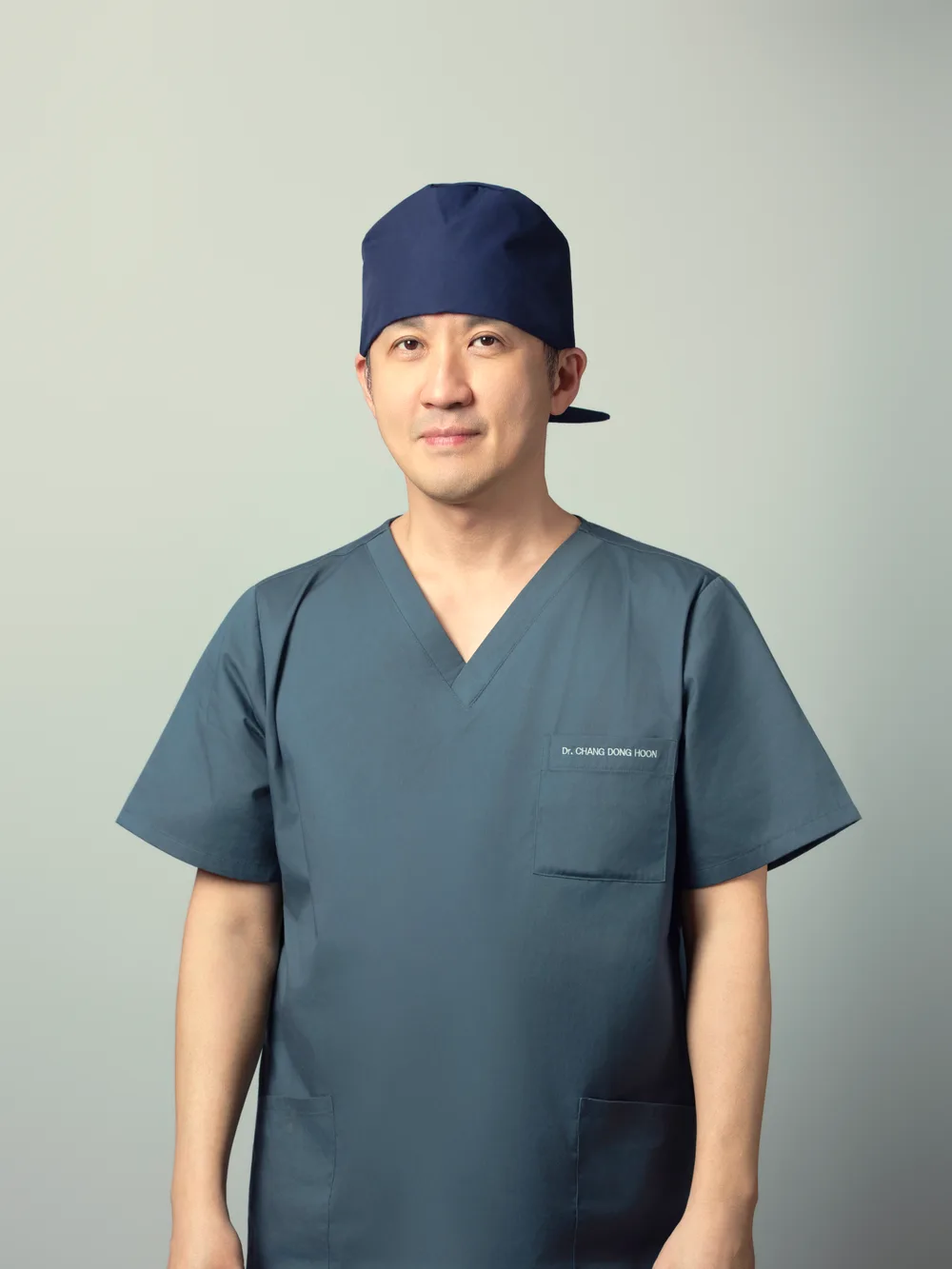
Written and medically reviewed by Dr. Jang Dong-hoon · Founder & Medical Director
Published · 11 min read
Your jawline has softened, your cheeks sit a little lower than they used to, and with one week in Seoul you're weighing thread lifting vs HIFU: which one fits the face you actually have?
Threads suit tissue that has dropped and needs to be put back; you see the change on the day, and the swelling usually settles over the first week. HIFU suits skin that has loosened while the deeper structure still sits mostly in place; there's little or no downtime, and because the collagen builds slowly, twelve weeks is when you judge it.
Hello, I'm Dr. Jang Dong-hoon, Founder & Medical Director of THE Beautiful Clinic in Seoul.
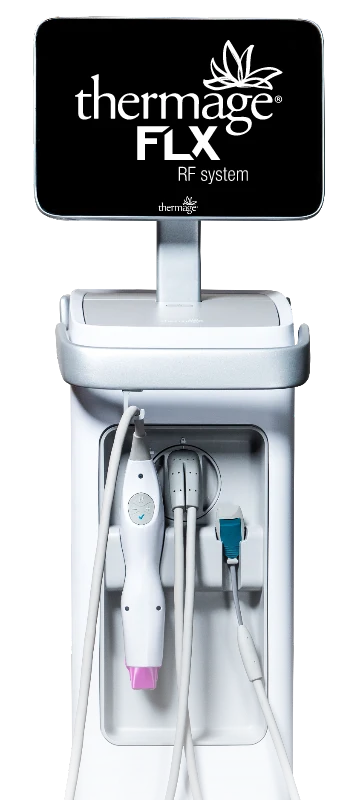
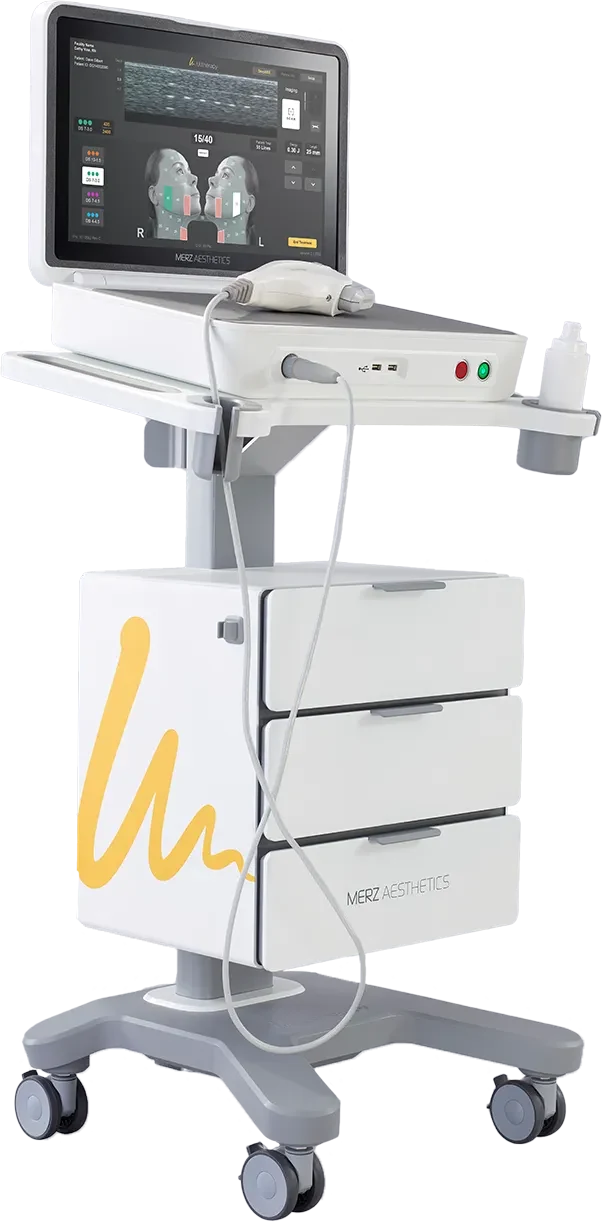
I consult, plan and treat, and the consultation begins with a 3D scan of your skin, not with a price list. That order matters for this choice. Both options are on my menu, thread lifting with five thread types and HIFU on Ultherapy Prime and Shurink Universe, so the scan decides between them rather than whichever machine happens to be in the room.
Not sure which group you're in? Send one daylight photo of your face from the side on WhatsApp, together with your Seoul dates, and ask whether that profile looks more like a thread question or an ultrasound question. Clinic staff interpret at no extra charge, arranged for your appointment time, so the consultation doesn't depend on your Korean.
Which problem do you have: tissue that dropped, or skin that loosened?
Sagging rarely comes from one layer. Under the surface sit the dermis, a layer of fat and the SMAS, a thin fibrous sheet that holds the shape of the face. Over the years the dermis thins, fat pads slide downward and the SMAS stretches, and each of those changes answers to a different tool.
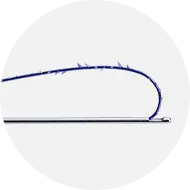
Threads work mechanically. Cog threads catch tissue along their length and hold it in a new position, and as an absorbable thread breaks down, the body lays collagen along the track it leaves. HIFU works with heat. Focused ultrasound delivers energy to set depths, down to the SMAS, and the heated points contract and prompt new collagen over the following months while the surface is cooled.
You can get a rough sense of which side you lean toward at home. Stand facing a window, rest your fingertips on your cheekbones and lift gently upward and back. If that lifted face is the one you miss, your problem is mostly position, and threads speak to position. If the cheeks already sit where they should but the skin along the jaw and under the chin looks thin and crepey, the problem is skin quality and tightness, which focused ultrasound speaks to.
Plenty of faces in their forties show a bit of both.
On the scan, the question I'm answering is where your laxity actually starts. The device comes after that answer.
Thread lifting vs HIFU at a glance
| Thread lifting | HIFU | |
|---|---|---|
| How it works | Repositions tissue, then collagen forms along the threads | Heats the SMAS and deep dermis so tissue contracts and builds collagen |
| When you see a change | On the day, clearer as swelling fades | Gradually, judged at about twelve weeks |
| Downtime | Most people back to routine the next day; swelling settles over the first week; bruising possible | None, or some flushing on the day |
| Usually suits | Descended cheeks, heavy folds, a blurred jawline | Early laxity, thinning skin, softness under the chin |
The table makes them look like rivals. In practice they work on different problems, and the scan usually shows which problem is in front.
Who threads suit, and where I'd steer you elsewhere
Threads make sense when something has moved. A cheek that has slipped toward the nasolabial fold, or a jawline that has lost its edge because the tissue above it has descended: these are position problems, and a thread can put tissue back. Direction matters more than the number of threads. I plan the vector from where the descent started, not from where it shows most, because pulling along the wrong axis is what makes thread work look done.
The five thread types I use do different jobs:
- Ultra V mono threads, for density
- Cog threads, for lift
- Jamber threads, for collagen volume
- HIKO PCL and PDO threads, for the nose, which our post on what a HIKO nose lift covers, thread by thread explains
Where I'd steer you elsewhere: if a lot of loose skin hangs below the jaw, a thread is being asked to hold more weight than it can. The American Society of Plastic Surgeons presents thread lifts as a less invasive option with more modest results than a surgical facelift, and that matches what a thread can physically do. Threads are also a weaker choice when the real complaint is crepey texture rather than descent.
Risks and side effects to know
For placement and swelling in more detail, our thread lift Korea guide covers it, and longevity by thread type is in how long a thread lift lasts and how many days to stay.
Who suits HIFU, and when is it the wrong tool?
HIFU fits a face whose structure still sits mostly where it should, but whose skin has started to soften: a jawline that looks less crisp in photos, some looseness under the chin, early creping on the lower cheeks. It also fits a trip with no room for swelling, say a business dinner two days after you land, because there's no entry point to heal.
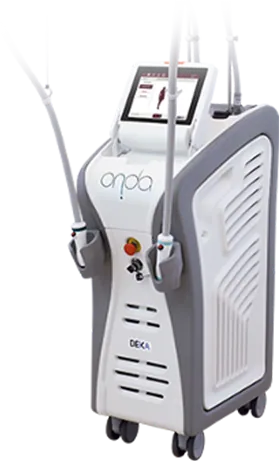
It's the wrong tool for a cheek that has visibly slid down. Heat tightens and thickens; it doesn't move a fat pad back up. A heavy jowl that is mostly fat is another case where neither option may come first. On ONDA, the 7 mm handpiece reaches fat in the jowl and under the chin, and for that face, reducing fat can matter more than lifting. Ultrasound appears on the American Academy of Dermatology's list of non-surgical treatments for sagging skin.
Can you combine threads and HIFU on one trip?
Often, yes, and the order matters more than the combination. Devices are sequenced across one or more visits rather than stacked in a single afternoon, and if fillers or threads went in during the last six months, I plan the energy around them, not over them.
That six-month point works in both directions, and it's the detail travelers most often miss. If you leave Seoul with threads and a few months later someone at home offers you an ultrasound or radiofrequency session over the same area, they need to know exactly which threads were placed and where. Ask for the thread type and placement before you fly, and keep that note with your travel documents.
Say you're 44, flying in from Melbourne for six nights, with cheeks that have slipped a little and a jawline that has gone soft underneath. One way I'd reason through it: threads for the midface early in the stay, so the week does the settling, and energy for the lower face and under the chin, never fired over fresh threads the same afternoon. If the scan shows the cheek drop is mild, energy alone this trip, with threads left for a later visit, is a reasonable plan too.
How many days in Seoul does each one need?
HIFU asks very little of your calendar. You may see some flushing on the day, and for three days after each energy session you avoid sauna, hot yoga and long sun exposure. That's why it can sit later in a trip.
Swelling and bruising: what to watch for
Threads ask for more room. Most people are back to their normal routine the next day, but swelling settles over the first week and bruising is possible, so place threads within the first two days of your stay rather than right before your flight. Treatments with real downtime, threads among them, are worth scheduling with the whole week in view.
The clinic is open Monday to Thursday 10:30 to 19:30, Friday 10:30 to 20:30 and Saturday 10:30 to 16:30 with no lunch break, and closed on Sundays and public holidays. Weekends and Friday evenings fill first. A multi-device lifting block takes 60 to 120 minutes in the chair, so keep that stretch of the day open.
Once your flights are booked, send your arrival and departure times on WhatsApp, along with anything injected or threaded in the last six months, and ask which day each part would land on. The clinic answers within 24 business hours.
What decides the cost of each?
For threads, the figure moves with the number of threads, the type (mono, cog or Jamber) and the area, whether that's the midface, a V-line or the nose. For HIFU, it moves with the device, the shot count and how many areas are treated. A combined plan adds the question of how many devices and visits it needs.
Deposit and payment method are settled after the consultation as well.
To ask what your own plan would cost, send a front and a side photo on WhatsApp and name the area that bothers you most. The thread lifting treatment page lists what each thread type is for, and THE Beautiful Clinic's English site shows the full lifting line-up.
Bruising, dimpling and heat marks: what can go wrong with each
Threads bring bruising, swelling and a feeling of tightness for the first days, and some people feel soreness when they chew. Less often you'll see a dimple or pucker near an entry point, some asymmetry, or a thread end you can feel under the skin. Infection is uncommon but possible. The American Society of Plastic Surgeons lists these among thread lift risks, and complication reviews in the plastic surgery literature cover the same ground.
Redness and swelling: what to watch for
With HIFU, expect redness and mild swelling on the day, and tenderness along the jaw for some days. Temporary numbness or tingling can happen. Burns, raised marks or nerve irritation are rare.
As general medicine, these are reasons to wait or skip:
Infection and bruising: what to watch for
- An active infection, acne flare or open wound in the area
- Pregnancy or breastfeeding
- Fillers or threads in the same area within the last six months, until the plan accounts for them
- Recent isotretinoin, or any medicine that affects healing
- Blood thinners or supplements that raise bruising, especially before threads
- A history of keloid scarring
Swelling and redness: what to watch for
After you fly home: with threads, swelling that eases a little each day is expected. Pain, redness or warmth that grows after the third day, a fever, or a thread end pushing through the skin needs a local doctor promptly, so show them the thread record you took home. With HIFU, a tender or numb patch usually fades over weeks, but a blister or a mark that stays should be seen. You can also send a photo on WhatsApp.
How much swelling you get and how fast it settles differs from one face to the next.
Your first message, and the appointment
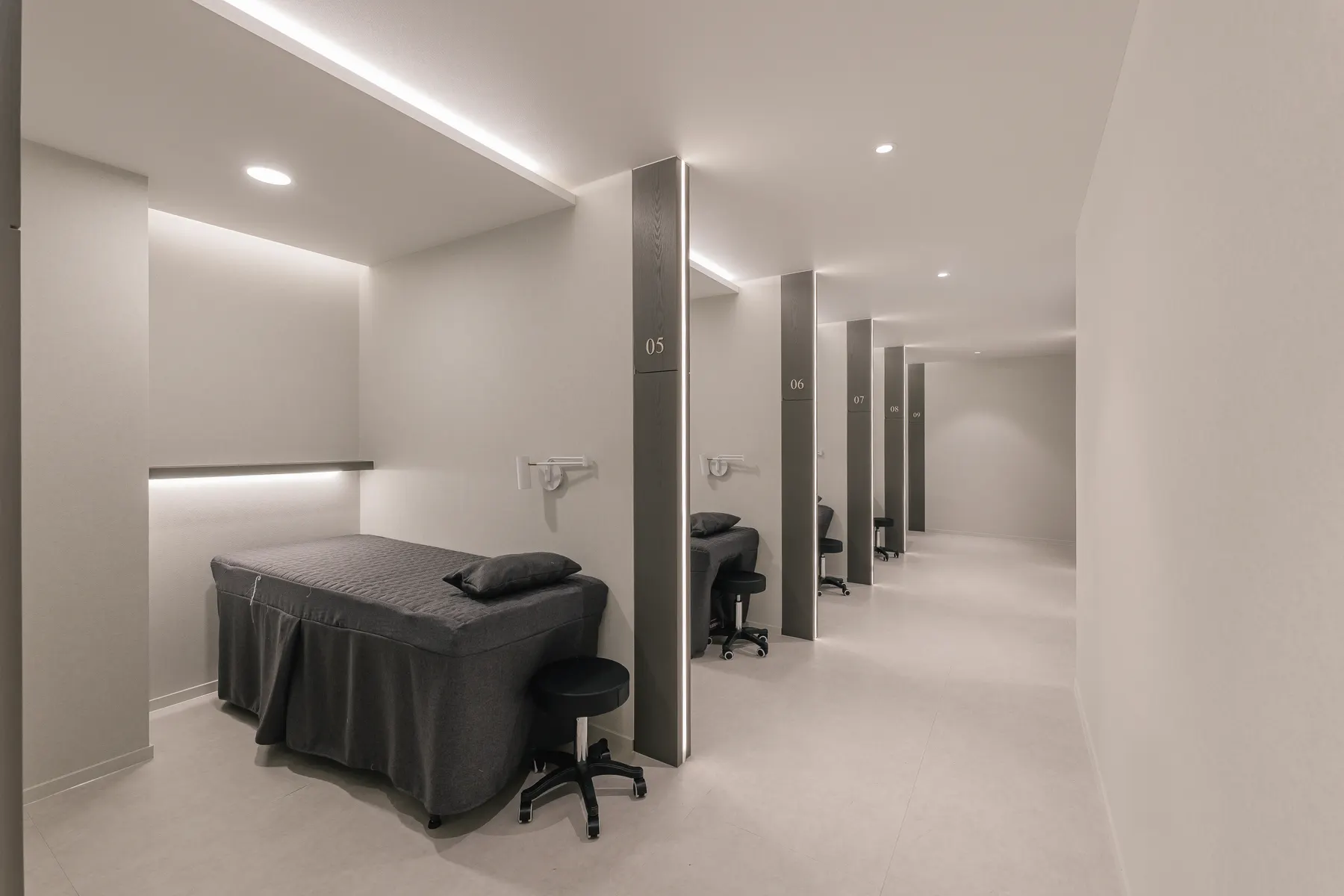
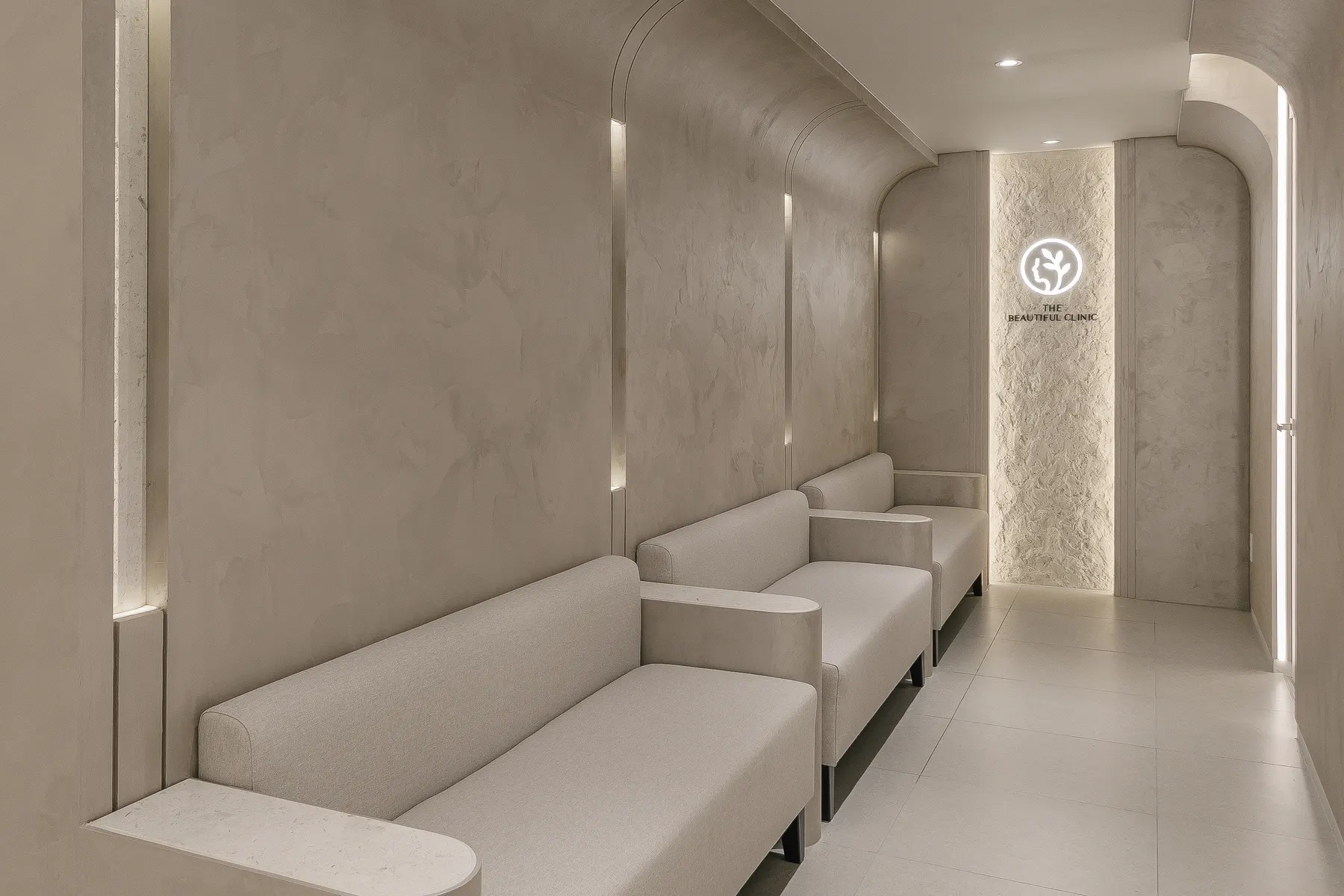
We're on the 2nd floor of the Jinryeong Building, 545-12 Gangnam-daero, Seocho-gu, a 2-minute walk from Nonhyeon Station Exit 5 on the Sinbundang Line. There's no patient parking, so come by subway or taxi. At the appointment, the first thing I read on your 3D scan is where your laxity begins, because that decides whether a thread, an ultrasound device or a combination fits this trip.
Your first WhatsApp message can be short: one daylight photo from the side, your Seoul dates, and the question that's really on your mind, whether your face needs repositioning or tightening.
At a glance
The treatments in this article, side by side
- Works onDermis → SMASDowntimeNone to same-day flushingTypically lasts3–12 months by deviceFromPriced after the doctor sees your skin
- Works onSubcutaneous planeDowntime2–5 days of swellingTypically lasts6–12 monthsFrom≈ $371₩499,000
Which one fits is decided at the examination, not from this table. Prices are the lowest listed option, before 10% VAT. US dollar figures are approximate, at the exchange rate of 10 November 2026. The clinic charges in Korean won.
The short version
- Threads reposition tissue that has dropped; HIFU tightens skin that has loosened while the structure stays in place.
- A thread result shows on the day; HIFU builds over about twelve weeks.
- Book threads early in a Seoul trip; HIFU can sit later, followed by three days without sauna, hot yoga or long sun.
- Fillers or threads placed in the last six months change how energy is planned.
- Cost moves with thread number, type and area, or with device, shot count and areas.
Questions patients ask
Which hurts more, threads or HIFU?
Both are felt, in different ways. HIFU tends to feel like deep, hot pulses, strongest where bone sits close to the skin along the jaw.
I already have threads from home. Can I still have HIFU in Seoul?
Usually yes, with planning. Tell us when the threads went in, which type they were and where. If they were placed within the last six months, the energy is planned around them rather than over them, which may mean leaving one area out this trip.
Could HIFU make a thin face look hollow?
People with very little facial fat sometimes worry about this. Because focused ultrasound works at set depths, the depth and the areas are chosen from the scan, and on a lean face that can mean fewer areas or a different device. Mention it if you have lost weight recently.
Is a heavy jowl a thread problem or an ultrasound problem?
If tissue has descended, threads can reposition it. If it is mostly fat, neither may be the first step: the 7 mm handpiece on ONDA reaches fat in the jowl and under the chin, and fat reduction is planned together with tightening.
Can a thread lift be undone if I don't like it?
Lifting threads are absorbable and break down over months. In the early weeks, a thread that causes a dimple or can be felt under the skin can sometimes be adjusted or removed by a doctor, which is one more reason to keep a record of what was placed.
Can I fly home the day after?
After HIFU, most people look much as they did before. After threads you would likely board with some swelling, since it settles over the first week, so sleep on your back where you can and avoid pressing your face into a travel pillow.
Results and recovery vary between individuals, and every treatment can have side effects. Prices are from the clinic's price list and are confirmed at consultation. This article is general information, not a diagnosis.
Sources
About the author
Dr. Jang Dong-hoon
Founder & Medical Director
Founder and medical director of THE Beautiful Clinic in Nonhyeon, Gangnam. He sees every patient's skin analysis before a plan is drawn, and reviews every article on this blog against what the clinic actually does.
Credentials in full