

6.78 MHz monopolar RF
Volnewmer
Gets firmer the longer you leave it.
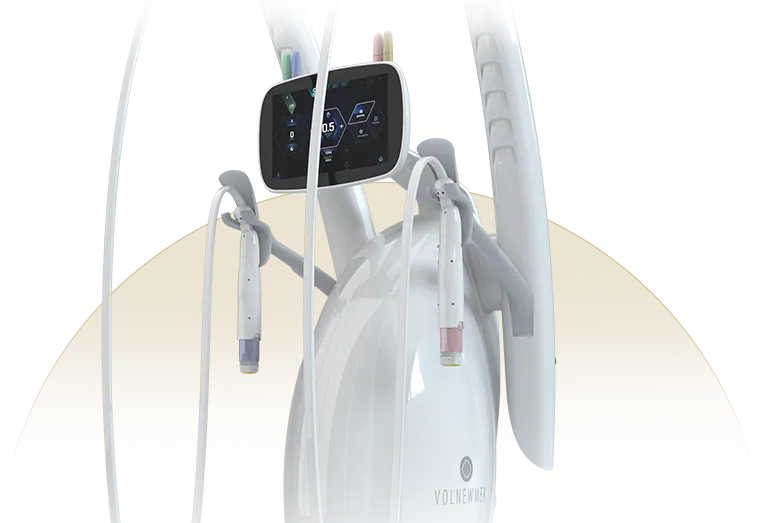
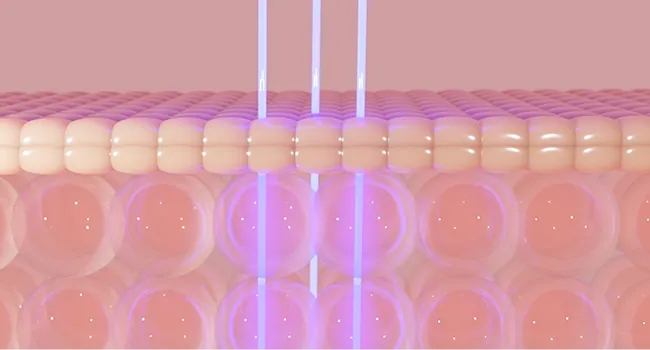
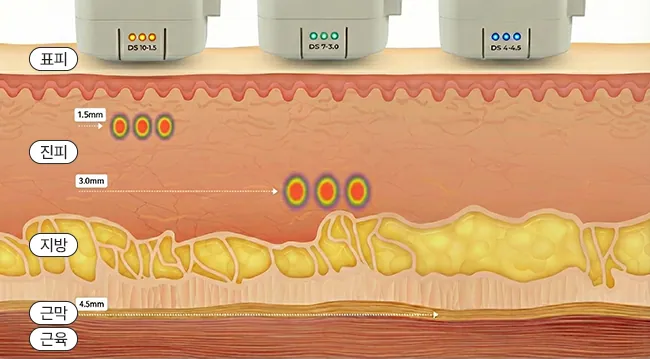
Volnewmer runs monopolar RF at 6.78 MHz into the deep dermis, coagulating tissue in a controlled way so that collagen rebuilds through the healing that follows. Density and volume recover together, which is why hollow areas often look fuller without any filler.
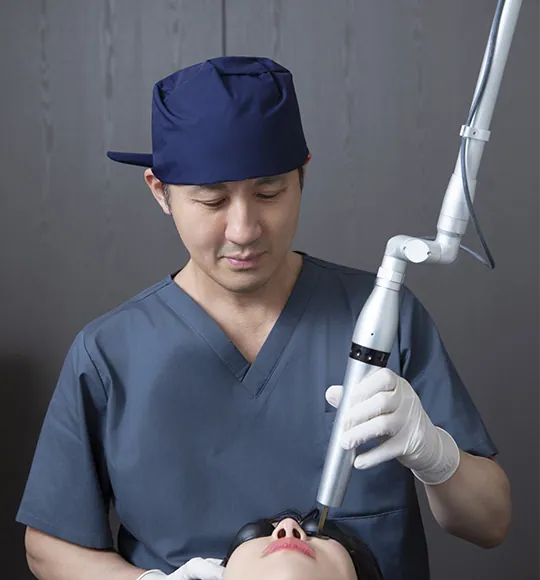
Reviewed by Dr. Jang Dong-hoon · Founder & Medical Director
Last updated
- Works on
- Deep dermis
- Sensation
- Moderate, cooled and damped
- Downtime
- None
- Typically lasts
- 6–12 months
6.78 MHz monopolar RF
What it addresses
Eleven devices. We pick the depth before the machine.
- 01Firmer, tighter skin across the mid and lower face
- 02New collagen driven by controlled deep heating
- 03Higher skin density and a more defined facial line
- 04Natural volume restored where the face had hollowed
How it works
Hidden-edge tip
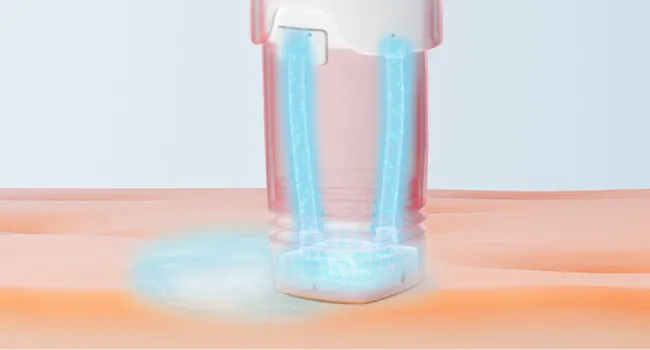
The edge of a conventional RF tip is where most surface irritation starts. Volnewmer recesses it, so energy lands evenly instead of concentrating at the rim.
Continuous water cooling
Cooling runs throughout the pulse rather than between pulses, spreading the thermal load and keeping deep delivery stable.
Four tips, 360° tilting head
I (0.25 cm²), F (3.0), V (4.0) and S (16.0) tips on a cushioned tilting handpiece that follows the curve of the face.
Every plan is decided in consultation. Suitability, sequence and dosage differ from person to person.
Before & After
Someone else's before and after cannot tell you about your face
Somebody else's result is their skin, their age and their number of sessions. Send two photos and we will send back the plan for yours — what we would use, how many sessions, and the price — before you book anything.
Results and recovery differ between individuals, and every treatment can have side effects. The photographs published here are of patients who agreed to their use, with identifying features obscured, and the number of sessions is stated on each.
Volnewmer in Korea: FAQ
Reviewed by Dr. Jang Dong-hoon
Last updated
What is Volnewmer, in short?
Volnewmer is a monopolar radiofrequency lift that heats the deep dermis at 6.78 MHz. The controlled heat makes the skin rebuild collagen over the following weeks, so firmness and density improve gradually rather than on the day.
How is Volnewmer different from Thermage FLX?
Both deliver monopolar RF to the deep dermis. Volnewmer recesses the edge of its tip and keeps water cooling running through each pulse, and it is priced lower per shot. Which one fits depends on your skin, the area and your budget, and the doctor decides that at consultation.
Does Volnewmer hurt?
Most people describe it as moderate heat. Cooling runs during each pulse and the handpiece is cushioned, and the doctor adjusts the energy as the session goes.
Is there downtime, and can I fit it into a short trip?
There is usually no downtime, which is why it fits a short stay in Seoul. Tell us your dates when you write and we plan around them.
How long does a Volnewmer result last?
Around 6 to 12 months, and it varies from person to person. Because collagen rebuilds after the session, the skin tends to keep firming for several weeks.
How many shots will I need?
The list runs from 100 to 900 shots, and the count depends on the area and how much laxity there is. The doctor sets it after looking at your face; the per-shot prices are in our Volnewmer price guide.
From the journal
Read before you book
Also in this group
Lifting & Tightening in Seoul

Send us a photo and a question.
We answer on WhatsApp in English and Bahasa Indonesia. There is no charge for asking, and no obligation to book.
What patients say
Reviewed on Google by the people who came
They answered my questions in clear English, gave me a written quote up front and explained exactly what each step included, so there were no surprises when it came to the bill. At the clinic, the reception staff spoke English, the consultation was one on one with the doctor, and they took real time to understand what I wanted rather than pushing a package on me…
Maria ZetterbergSee on GoogleAs a dark-skinned woman with Fitzpatrick skin type VI, I found it incredibly frustrating coming to Korea and discovering that so many clinics were unwilling to offer me laser treatments… What really stood out to me was how knowledgeable the doctor was about treating darker skin tones, particularly when it comes to hyperpigmentation, the risks associated with laser treatments, and, importantly, how to minimise those risks.
Love OSee on GoogleI came here on a friend's recommendation and had a very good experience. The consultation was very professional, and staff accompanied me throughout the entire process. The experience was also very good for foreign tourists.
梁平Translated by Google from ChineseThe Japanese interpreter was very kind, which made me feel very comfortable during the treatment! There weren't many tourists yet, and most of the customers were Korean, so it was a relaxing and pleasant experience.
A JaneTranslated by Google from JapaneseThe staff are very nice, and the clinic is not crowded or factory-clinic feeling at all. The consultation with the doctor who does the treatment was reassuring…
jaju kSee on GoogleI visited because of my acne concerns. The consultation manager was very kind and helpful, there was absolutely no pressure to do anything, and the director performed the procedure very meticulously! I will definitely visit again next time~~^^
dd kTranslated by Google from KoreanThe doctor was thorough and accompanied the treatments, leading all himself. The attendants, assistants and receptionists were extremely friendly…
Maria Luiza TorresSee on GoogleReceived the thermage and ultherapy combo at this clinic. Everyone was attentive and kind. The doctor performs the procedure and explains everything in detail. Highly recommend!
V LeeSee on GoogleFriendly staff and experienced doctor. No hard selling…
jasmine tehSee on GoogleThe doctor and the Chinese-speaking consultant were very nice and attentive. Highly recommended.
Cora CTranslated by Google from ChineseThe clinic is very clean, and all the staff are friendly. Since it is near my house, I think I will be visiting often haha. They explained the aftercare in detail, and I liked that there was no excessive sales pitch, so I could get only the procedures I needed!
찹쌀이Translated by Google from KoreanThe evaluation process was very attentive and there was no hard selling! It was tailored to my specific needs, and the service was excellent! I felt very reassured even on my first call! Recommended for men.
name noTranslated by Google from ChineseThe treatment was performed very carefully. The clinic director and all the staff were very kind. Thank you very much.
uni uni (うに)Translated by Google from Japanese I'm settling down here. Everyone, please come! They take thorough care of you, don't pressure you, and do exactly what you want. There isn't much of a wait either. It's so good.
Chocopie JeongTranslated by Google from KoreanI am from USA and I choose this clinic because they were great at communication before my appointment. I then had a great appointment where the consultation was included not like other clinics. The doc and team worked within my budget. Helped translate to English and super helpful…
Victoria KoszegiSee on GoogleI received color correction laser treatment for acne scars, and everyone was so kind!
부기꼬Translated by Google from KoreanThank you so much for being so kind to me 😊😊
nabekeiTranslated by Google from JapaneseThe doctor was very nice, and they also offered Chinese translation services. Everyone was very friendly. Highly recommended!!
鍾依庭Translated by Google from Chinese…they were very patient answering all our questions and taking time to make sure we were comfortable and cared for. Translators were available and staff all communicated with translation prior to next steps…
Bartlett RentalSee on GoogleI was worried about facial redness, so I received the V-Beam treatment. They were kind and thorough, so I really liked it. I intend to visit again.
최수갱Translated by Google from KoreanI suddenly got a bruise on my face right before a trip, so I rushed here to get a V-Beam treatment. This is the first time I've ever been to a clinic where everyone was so kind! Seriously! I definitely want to visit again for other treatments next time haha.
hi yenaTranslated by Google from KoreanI received a V-beam laser treatment and pore cleansing. Although communication in Japanese was difficult, the staff were very polite and helpful.
金城Translated by Google from JapaneseI used to go there often when it was in Konkuk University area, but it's nice that it's closer now that it's moved to Nonhyeon. The facilities are great and the staff are very friendly~
호우Translated by Google from KoreanAs a foreigner in Korea, I wanted to be very careful when choosing a clinic, especially since I was only staying for a short time… The staff was extremely kind and welcoming, and Dr. Chang took the time to explain everything in great detail, which made me feel very comfortable…
Carolina MSee on GoogleI have concerns about melasma and freckles, and since I currently live abroad, this is a place I visit every time I come back. They always provide thorough treatment, so I am satisfied with every visit.
HazelTranslated by Google from KoreanThose who speak Chinese can rest assured because there is a translator; the surgery will be quick and meticulous.
YEHET MWLTranslated by Google from ChineseI came here to get a V-Beam treatment because I was concerned about facial redness. I like that it is close to Nonhyeon Station, and the treatment was done meticulously, so I plan to come regularly.
김승환Translated by Google from KoreanThere is a wide variety of laser machines, the staff are very friendly, and they perform treatments thoroughly. I liked that they recommended the type of care suitable for my skin.
yugyeong leeTranslated by Google from KoreanThey were very thorough and upfront regarding the issues and needs for my skin… While the treatment itself felt somewhat painful, the staff was very attentive and caring throughout my entire treatment…
maria chouSee on GoogleIt took two hours, with Chinese translation, and the work was meticulous.
Rita HiTranslated by Google from ChineseI got fillers, and all the staff were so kind and there wasn't much of a wait. I am extremely satisfied. I think I made the right choice.
리원Translated by Google from KoreanAll the staff were so kind, and they performed the procedure really well. I was worried it would hurt, but it really didn't hurt at all. I highly recommend it.
Tiny LandTranslated by Google from KoreanI came here through a friend's recommendation and received the Onda Lift. I plan to visit The Beautiful Clinic near Nonhyeon Station regularly. I want to become more beautiful.
이금경Translated by Google from KoreanMy wife convinced me to join her in an excellent radio frequency firming experience that did not feel like one of the big factory clinics. We felt very well taken care of…
Kilroy's AtticSee on GoogleI just had the procedure. I received V-Beam and Excel V because of facial redness, and the director is kind.
이재현Translated by Google from KoreanMy first experience was great, I recommend everyone to try it.
x xTranslated by Google from ChineseI found out about this place while searching for solutions for facial redness and received the Excel V laser treatment. The facilities are great, and the staff are kind and perform the procedure well!
윤용대Translated by Google from KoreanThank you so much, Director. I am always satisfied when I come here.
Yujin LimTranslated by Google from KoreanVery friendly staff and the doctors took great care of me… They numbed my face and it was not painful… it’s definitely foreign friendly.
David HanSee on GoogleI received the Agnes treatment, and they were very thorough with my problem areas. I go there every time I need care.
박소현Translated by Google from KoreanThank you everyone for being so kind and treating me with sincerity.
성효진Translated by Google from KoreanI was worried about hollowing out my cheeks, but thanks to the manager's recommendation, I got Ultra Call~ Thanks to the great design and the excellent procedure, I had a great experience. Thank you :)
STranslated by Google from KoreanEveryone is kind and the director provides treatment with such care, so I visit regularly. The location is also great as it is right next to Nonhyeon Station.
김민성Translated by Google from KoreanThe clinic is very clean and the equipments looks new. The staff are very accomodating and able to communicate well in English. All treatments were done by the doctor…
Bienvenido OlivaSee on GoogleThis is my first session for pigmentation treatment. The staff are kind, and the director is very thorough and does a great job.
이성민Translated by Google from KoreanI've been going there since before they moved! It's super clean and the staff are friendly.
Lia LeeTranslated by Google from KoreanI came here after seeing an ad on a thread because of facial redness, and the treatment went well!! I went with the Excel V package, and they took such meticulous care of the regeneration afterwards!! I'll definitely come again!!
Ryan OhTranslated by Google from KoreanI received Ultracol treatment from the director for the sunken area on my cheek, and it was completed quickly and satisfactorily without any pain at all. Thank you so much^^ I would like to try it on other sunken areas as well.
김민희Translated by Google from Korean…the whole team was super kind and professional!… Even though there was a language barrier as I speak English, they knew exactly how to communicate and were very accommodating!… They answer very promptly…
Keenan DoSee on GoogleI'm so satisfied! Your skills are amazing! I'm really happy with it and I'm going to recommend it to all my friends too.👍🏻👍🏻👍🏻
Yeongae ParkTranslated by Google from KoreanI received a leg lift and Ultra Call. They were kind and performed the procedure quickly, so I liked it.
이유나Translated by Google from KoreanThey are kind and very thorough! I received the Excel V and Aileen treatments, and they took great care of everything, right down to the aftercare.
Hw LeeTranslated by Google from KoreanI had the Agnes full-face CO2 treatment... The consultant, nurses, and doctor were all kind. The clinic was clean, probably because it was recently renovated... Good 👍
임지운Translated by Google from KoreanThe place was clean… they were knowledgeable and they explained every services that we had done and what was needed. The staff was very communicative.
Isha SankohSee on GoogleI visited because of freckles and pigmentation, and they examined me thoroughly and kindly.
WonTranslated by Google from KoreanI came here after seeing it on the app. It is neat, friendly, and great. I also liked that I could have a consultation with the manager and the director right away before the procedure!! I recommend it because it is easy for office workers near Gangnam Station to come here~!
어니언빅Translated by Google from KoreanI decided to get the treatment because I was concerned about my freckles and blemishes. I am satisfied because the director was meticulous and did a great job, and the staff were also kind, so I intend to visit again.
eunsong kimTranslated by Google from KoreanI came to get 300 shots of Oligio because of my nasolabial folds!! You were very kind and did a great job.
Na NaTranslated by Google from KoreanWe are very happy with all the staff, very professional,and we recommend it 100% They also have a very great translator that can help you with everything that you need…
Nicola GramaticuSee on GoogleI came here looking into lifting procedures because I was concerned about my deep cheek fat and chin! The staff were quick and kind, so I had a great experience :)
Gia 지아 (dew.93)Translated by Google from KoreanI received Fraxel treatment at a reasonable price. The facilities are excellent, and the staff are very friendly. They also explained the precautions and instructions well, and I felt truly refreshed.
김현우Translated by Google from KoreanI was concerned about facial redness, so I had a consultation and proceeded with the procedure! Everyone was so kind that I want to try other treatments as well. There is so much equipment... haha.
강효정EXPERT 강남Translated by Google from KoreanThe clinic has recently moved to a new location, so the environment is clean. The director is meticulous with the procedure and explains everything well, which is great haha. They also take good care of the post-procedure care, so it is a good place to visit!
박건수Translated by Google from KoreanDespite being a walk-in with no prior appointment, the staff attended to me promptly and professionally…
Skylar LeeSee on GoogleI visited because I was worried about my severe facial redness. I liked that the wait was short, and the director was kind and meticulous. They also provide thorough aftercare. Satisfied!
유유Translated by Google from KoreanI got my eyebrow tattoo removed! I was a little worried at first, but they explained everything thoroughly and the procedure finished quickly!
ElisabetTranslated by Google from KoreanI am very satisfied with the thorough laser treatment performed by the clinic director and the kindness of everyone there!
わたこTranslated by Google from JapaneseI liked the interior design of the place and staffs were very friendly. They have english descriptions and prices of each procedures which were helpful. Thank you!
H KimSee on GoogleExcellent! The staff were very attentive, and the doctor's skills were superb.
in MTranslated by Google from ChineseI visited to get Excel V because of my facial redness. You performed the procedure meticulously, so I plan to continue getting it regularly.
김뚱이Translated by Google from KoreanI was worried about melasma pigmentation, so I received melasma injections at the clinic. The staff were kind and administered the injections meticulously, so I plan to visit again.
Sara Sojung LeeTranslated by Google from KoreanI visited because of acne scars and marks. They provided thorough consultation and treatment. They also took good care of me afterward. They are kind.
시라Translated by Google from KoreanVery kind people, calm environment. Understanding and caring. If you have questions they will answer them. Clean and easy to find, right by several station (subway and bus).
Denitsa PenevaSee on GoogleI visited for mole removal. It was great to find a clean dermatology clinic near Nonhyeon Station that offers consultations during lunchtime. The service was friendly, and I appreciated being able to receive treatment quickly.
곽민주Translated by Google from KoreanI received Excel V & V-Beam Perfecta treatments from the director, and as always, they did a great job with the care! It really is a laser clinic 😍😍 They moved from Konkuk Univ. to Nonhyeon, and the clinic facilities are super clean, spacious, and nice! The staff are so friendly too. 👍👍👍
이경진Translated by Google from KoreanThey were kind, and I plan to visit again. They gave off a professional vibe :))))
동치미Translated by Google from KoreanI received V-Beam Perfecta and PicoWay treatments because of redness, and the staff were kind and the experience was great. It is conveniently located near Nonhyeon Station, and I intend to visit again.
seonguk shinTranslated by Google from KoreanThe most friendly and professional team, I felt safe from the moment I stepped into the clinic…
Jessica EvansSee on GoogleI received the Potenza Juvelook treatment. I visited for pore treatment. The location is convenient as it is near Nonhyeon Station, and the procedure was performed meticulously.
가나다Translated by Google from KoreanI visited because of my pores and skin elasticity. The staff were so incredibly kind, and there was no waiting time! The director performed the procedure meticulously, so I definitely intend to visit again!
김민지Translated by Google from KoreanI visited because of facial redness and pigmentation. The facilities were clean and the staff were friendly, so I left feeling good after the treatment.
꾸Translated by Google from KoreanI was worried about hyperpigmentation, so I visited after searching online and received V-Beam and Excel V treatments. I trusted the director because they have a long history in treating pigmentation, so I signed up for a 10-session package. Everyone was professional and neat, so I am satisfied.
류경화Translated by Google from KoreanThe staff were super helpful, kind, explaining everything so I felt comfortable and heard…
Gia VasilevskaSee on GoogleI was worried about my square jaw, so I looked around and came to The Beautiful Clinic. The staff are kind, and they were friendly when giving me the injections! I will visit again when my next appointment comes around!
강혜성Translated by Google from KoreanI visited because of my skin concerns, and I am currently receiving 6 sessions of the Excel V treatment. I highly recommend it!
브롤스타즈Translated by Google from KoreanI received Fraxel treatment! I was satisfied because I could receive various Fraxel and regenerative laser treatments at a reasonable price. Also, the clinic was quite clean, so I felt comfortable even when I had to wait!
박태현Translated by Google from KoreanI visited because I was concerned about hyperpigmentation that appeared after a breakout. It was my first visit today, but I intend to come back! You perform the procedure meticulously.
남혜정Translated by Google from KoreanMy nasolabial folds are getting worse, so I came to get a radio frequency lift as a preventative measure. They were punctual and thorough, so I have high expectations, and I liked that the location is close, just a minute away from Nonhyeon Station.
EATS ASMR MILKYTranslated by Google from KoreanI received treatment for redness and enlarged pores. I intend to revisit The Beautiful Clinic in Seocho-gu. I recommend it.
전진성Translated by Google from KoreanI felt a personal treatment. They offered me procedures and did them in the same day Also provided info in my native language…
Aleksei KuznetsovSee on GoogleI received laser treatment for pores and elasticity, and the staff were very kind. The director also performed the procedure meticulously.
Injae BangTranslated by Google from KoreanI visited to receive Excel V treatment because I was concerned about skin pigmentation. It is conveniently located near Nonhyeon Station, and the director provided thorough treatment, so I had a great experience. I plan to visit again.
redboatsTranslated by Google from KoreanI visited to get rid of the warts, milia, moles, and other blemishes all over my face. It is very close to Nonhyeon Station, and I really liked the doctor's thorough treatment. I definitely plan to visit again.
ysTranslated by Google from KoreanI was looking for a clinic because I was concerned about facial redness, and I visited because the director had a great personality and the reviews were good. The staff who guided me were so kind👍 The director was also meticulous from the consultation to the procedure, so I am very satisfiedㅎㅎ
JooTranslated by Google from KoreanI had my treatment today and it was very professionally done. I am happy I can all the way from SAfrica to do this here…
Predel InvestmentsSee on GoogleI visited after making a reservation through Gangnam Unni because I was concerned about blemishes and redness. The place was pleasant, the facilities were good, and the treatment was performed kindly and well, so I had a comfortable experience. I plan to revisit for a second treatment.
이정윤Translated by Google from KoreanI visited to get Excel V laser treatment because of concerns about facial redness and blemishes. The staff and the director were all so kind! I plan to visit again. If you are looking for a dermatology clinic near Nonhyeon Station, I highly recommend this place :)
이정민Translated by Google from KoreanI received V-Beam and PicoWay treatments. Since there are many places nearby that don't have V-Beam equipment, I searched online and went here. I am satisfied because they performed the procedure meticulously!
박서용Translated by Google from KoreanI was worried about sagging skin, but this place is close to Nonhyeon Station, the facilities are great, and the staff are friendly. I definitely plan to visit again.
조유나Translated by Google from KoreanThe staff is very nice and caring they take the Time to explain…
GaranceSee on GoogleI’ve always been concerned about facial redness and pigmentation, so I came here because the reviews were good. The staff were kind, and I could feel that the director was very thorough with the procedure, which was great. I’m planning to buy a session package!
조하림Translated by Google from KoreanI got my first Fraxel treatment today, and since the numbing cream was applied for a long time, I was able to get it without any pain~! The director really paid close attention to the areas I wanted treated👍🏻
김한나Translated by Google from KoreanThe doctor was very meticulous during the procedures, explaining each step in detail. I had many procedures done today, and the experience was truly wonderful. I'll definitely come again next time! 😍😍😍😍
Kelly思穎Translated by Google from ChineseI paid for a multi-session package and am currently on my 4th pigmentation treatment. The director is kind and provides thorough care. I am satisfied with the combination of Excel V and other lasers, and I look forward to future treatments!
강세호Translated by Google from Korean…I had the Sono and LDM treatments, extractions, and a modeling mask, and the whole experience was so relaxing and comfortable…
Surin CarterSee on GoogleThe Beautiful Clinic at Nonhyeon Station I came for acne scars and received Fraxel treatment. They were thorough and the staff were kind. I will come again next time.
기오박Translated by Google from KoreanI used to be really stressed about my pores and acne scars, but thanks to the kind explanation and the procedure, I had a great treatment. Best of all, they made sure it didn't hurt at all!
정재윤Translated by Google from KoreanI really like it because they are so kind and hardworking. I have been coming here for several years and am always satisfied.
박지훈Translated by Google from KoreanI received the Potenza treatment because of my pores, and the director was very thorough and gave a great consultation, so I plan to keep revisiting the Nonhyeon Station branch!
HM PTranslated by Google from KoreanVery professional. Took a little longer than promised hour but you cant rush beauty. Very nice facial massage afterwards. Will come again!
Jennifer WattersSee on GoogleI received a Lara Peel Aqua Peel! The consultation was excellent, so I felt comfortable and received a thorough treatment! I will visit again next time!
RU KITranslated by Google from KoreanI had my eyebrow tattoo removed and they were so kind and great!
최수빈Translated by Google from KoreanI received the V-Beam Perfecta treatment because of my facial redness, and the director performed the procedure meticulously. I am looking forward to future treatments.
yimjinbaeTranslated by Google from KoreanI had such a lovely experience at this clinic! I got exactly what I came for and was really impressed with the level of care and attention all the staff and doctor gave me :) will 100% be back again.
Isabella BielinskiSee on GoogleI visited during the day on a weekday, so there was no wait, and all the staff were kind! The clinic is very pleasant. I was worried about my pores, so I got Fraxel treatment, and I am satisfied~~
DhudheTranslated by Google from KoreanThe staff at Micool were very friendly, and the doctor gave very professional advice.
Chien YunieTranslated by Google from ChineseThe environment is comfortable and there aren't many people on weekdays—it's not crowded at all! ✨
chiachin LiTranslated by Google from ChineseEveryone here is kind, the clinic is clean, and they do a great job with the procedures. The system is well-organized!! There are many dermatology clinics near Nonhyeon Station, but I think this place is good. I've been consistently getting Potenza treatments.
홍돼롱Translated by Google from KoreanVery fast treatment. No waiting time. Friendly staff.
ULI 123See on GoogleI visited because I was concerned about my pores and scars. I made an appointment, so there was no waiting time. I received a friendly consultation and underwent Fraxel + Intracel treatments!! It hurts a little, but it is bearable since they applied numbing cream! I will visit again.
박정우Translated by Google from KoreanI've been coming here for a long time, and they are still friendly and maintain the place well!! It's also conveniently located near the station.
떵이Translated by Google from KoreanI visited because of its convenient location near Nonhyeon Station. I had been stressed about my acne scars, so I underwent Fraxel treatment, and they were very thorough and did a great job. Overall, it was a very satisfying visit, and I would definitely like to return.
YAN45 1Translated by Google from KoreanI had the Rejuran treatment. The consultation was thorough, and it wasn't painful, which was great. It's also conveniently located near the station.
中島裕子Translated by Google from JapaneseMy inflammatory acne was severe, so I visited The Areumdaun Clinic at Nonhyeon Station and received an anti-inflammatory injection! Everyone was so kind and responded quickly, which was great. I plan to come back when I have time to get laser treatment as well!
김수진Translated by Google from KoreanIt was great that it was close to Nonhyeon Station. The staff were all kind and took meticulous care of me, so I would like to visit again if I have the chance.
Quokka _Translated by Google from KoreanI used to be stressed about meeting people because of the flushing on my forehead, cheeks, and nose. This was my first time receiving treatment for flushing, and thanks to the kind and easy-to-understand explanations, I was able to receive the treatment with peace of mind!
채명국 (채명국)Translated by Google from KoreanThey perform the procedure very thoroughly and do a great job recommending necessary treatments.
userTranslated by Google from KoreanI had a treatment at Agnes and they are so kind!
석기Translated by Google from KoreanThey provided a kind consultation, and above all, the director was meticulous during the laser treatment! I would definitely visit again.
최윤혁Translated by Google from KoreanI recommend the dermatology clinic at Nonhyeon Station. Everyone is so kind. I plan to come again.
내ᅢ븉ᄋ&ᅩ우Translated by Google from KoreanI came here after getting a recommendation for Nonhyeon Station, and I would like to visit again.
SH KTranslated by Google from KoreanI just got Fraxel and Intracel treatments for my pores. This is my first time visiting since moving to Nonhyeon Station, and it's super clean, spacious, cozy, friendly, and great. I'll be back the month after next.
윤세나Translated by Google from KoreanThey explained everything so kindly for every procedure, and the painless, fast treatment was fantastic!! The aftercare is also top-notch ~ The best place for treatments near Nonhyeon Station.
이다용Translated by Google from KoreanI visited because it's conveniently located near Nonhyeon Station, and I plan to visit again because they examined me thoroughly. I recommend this place to anyone concerned about their pores.
뽀쁜삐Translated by Google from KoreanI came here looking for a place to treat facial redness near Nonhyeon Station. Everyone was kind, and I liked that the doctor tailored the treatment to my face. I also enjoyed using the Excel V with all three wavelengths. I plan to visit again!
진미연Translated by Google from KoreanI received the Body in Mode treatment and it was great because everyone was so kind haha. The interior is also spacious and clean.
김민주BTranslated by Google from KoreanI have been coming here since it was in Konkuk University area, and as always, the director is the best for their meticulous treatment! 👍🏻
김정석Translated by Google from KoreanI visited the Nonhyeon Station branch, and the staff were kind and the laser treatment went well! I intend to visit again.
Mj KTranslated by Google from KoreanIt was my first time here, and all the staff were kind. They also did a thorough job on the parts that needed attention. It’s convenient to find since it’s right in front of Nonhyeon Station. I really like it. I will come again next time.
Murcielago525Translated by Google from KoreanThe staff were very kind and polite! The clinic was also very clean and nice!
「 “シゲ” 」Translated by Google from JapaneseThe clinic is clean and really great~ It's right in front of Nonhyeon Station, so the accessibility is good, and I had a comfortable laser treatment. All the staff are so kind and the service is excellent! It's the best. 999% willing to visit again.
박서연Translated by Google from KoreanI would definitely visit again. They are very thorough.
Jaeman YITranslated by Google from KoreanThe staff was friendly and the treatment was comfortable. Above all, I was happy to be able to receive consultations from the director. It was conveniently located near Nonhyeon Station, so I highly recommend it!
김유정Translated by Google from KoreanI like that you are kind and take good care of me.
minhwa chooTranslated by Google from KoreanI had my procedure done at Beautiful Clinic, which is right outside Nonhyeon Station. The quiet atmosphere makes it a great place to get your procedure done, and the staff are friendly. The prices are also reasonable, so I plan to visit again!👍🩷
정주희Translated by Google from KoreanIt's clean and comfortable. Everyone is friendly and attentive.
루뚜루Translated by Google from KoreanThe hospital is in a great location, it is large and stylish, and the director is kind!
부릉부릉Translated by Google from KoreanI've always been here, but this was my first time at the new location. The owner is quick and attentive. When it was in Konkuk University, there were so many people that the wait was long, but the new location has a pleasant and pleasant environment. I'll be visiting often.
문기노Translated by Google from KoreanThe store is clean and quiet, and the counselors are friendly! They don't overdo the treatment, and the director is also friendly!
쪼쪼유Translated by Google from KoreanThe newly expanded clinic has made it so much easier to get treatments, and the waiting times have been shortened. The consultations were friendly and the care was thorough!
luvnTranslated by Google from KoreanI had a comfortable and enjoyable treatment!! Everyone was so kind~
리리Translated by Google from KoreanThe director is a real expert and no joke. He did a great job and I was able to endure it without anesthesia!
챠챠(챠챠맘)Translated by Google from KoreanI'm usually scared of hospitals, but the staff who guided me were kind, and the doctor asked if I was in any pain, so I felt comfortable during the session. It was great.
Choi KwangilTranslated by Google from Korean
Quoted from public Google reviews, each linked to its original. We quote what you can check — who performed the treatment and how the visit ran — not what somebody's skin did afterwards.
Read all 444 on GoogleOn Instagram
Visits, filmed by the people who came
 @ikoofamilyLip fillerInvited by the clinic · English · فارسیWatch on Instagram
 @yuniseONDA and Belacholine for the armsInvited by the clinic · EnglishWatch on Instagram
 @3ong.juLDM, Oligio and Potenza with JuvelookInvited by the clinic · EspañolWatch on Instagram
 @bonu_seoulSkin analysis, scaling and Aqua Peel, Gold PTT, Genesis laser and LEDInvited by the clinic · EnglishWatch on Instagram
 @ikoofamilyPotenza and laser care, for her husbandInvited by the clinic · English · فارسیWatch on Instagram
Creators the clinic invited to visit. Each card opens the original video.