
Lifting
Thread Lift vs Dermal Filler: Which Fits a Face That Dropped or Went Flat
Threads move tissue that has slid down, and filler replaces volume that is gone. Our menu has 5 thread types, and most people are back to their routine the day after threads.

Written and medically reviewed by Dr. Jang Dong-hoon · Founder & Medical Director
Published · 10 min read

Stuck on the thread lift vs dermal filler question because your cheeks sit lower and look flatter than they did a few years ago, and a doctor at home has already told you that more filler won't fix it?
Threads reposition tissue that has slid down; filler replaces volume that has gone. A cheek that dropped but kept its fullness suits threads, a cheek that flattened in place suits filler, and a face that shows both needs them in the right order, sometimes after old filler is dissolved.
Hello, I'm Dr. Jang Dong-hoon, Founder & Medical Director of THE Beautiful Clinic in Seoul and a member of the Korean Society of Aesthetic Surgery.
I consult, plan and treat myself, so the doctor who weighs threads against filler for your face is the one who places them. The consultation begins with a 3D scan of your skin, before anyone talks about a product or a price. Clinic staff interpret in English at no extra charge, arranged for your appointment time.
A front selfie hides most descent, so send two daylight photos on WhatsApp, one from the front and one from the side, without makeup, and ask whether your cheek looks dropped, flat or both. The side view is the one that shows where the cheek has gone.
Thread lift vs dermal filler: what each one changes
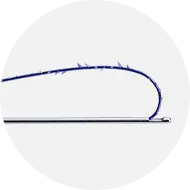
A thread lift is a mechanical repair. Absorbable threads go in through small entry points, hold tissue in a new position, and keep working as collagen forms along their length. We use five thread types: Ultra V mono for density, cog threads for lift, Jamber for collagen volume, and HIKO PCL or PDO for the nose. For midface descent or a softening jaw, the cog threads carry the lift.
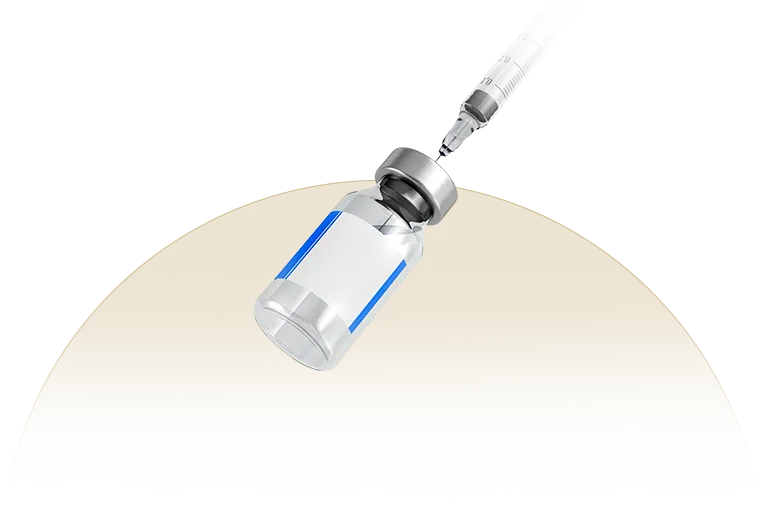
Dermal filler is a volume repair. The U.S. Food and Drug Administration regulates fillers as medical devices approved for specific uses, and the hyaluronic acid gels used in the face are absorbed by the body over time. Filler placed along the bone can support a cheek from below. It does not move tissue that has slid down; it adds weight to it.
| Thread lift | Dermal filler | |
|---|---|---|
| What it changes | The position of tissue that has descended | Volume that has been lost |
| Suits | A cheek or jowl that dropped but kept its fullness | Flat cheeks, hollow temples, folds deepened by volume loss |
| The next day | Most people back to routine; swelling settles over the first week | Usually presentable; bruising is possible |
| If you dislike it | Threads absorb slowly, so changing the result is limited | Hyaluronic acid filler can be dissolved |
| Main risks | Dimpling, asymmetry, a thread end felt under the skin, infection | Bruising, small lumps, rarely a blocked blood vessel |
Each one fails in a predictable way. Pull a thread along the wrong axis and the face looks done. Fill a cheek that has dropped and the lower face looks heavy. Both mistakes come from treating the wrong problem, which is why I plan a thread's direction from where the descent started rather than where it shows most.
What if you already have filler and your face feels heavy?
In short, this is the situation where I slow down. Filler sitting in a cheek that keeps descending can end up lower than where it was placed, so the jowl and lower cheek gain fullness while the area under the eye still looks tired. More gel answers a volume problem, and by then the problem is position.
Say you're 46, you've had cheek filler twice at home over four years, and in photos your lower face now looks wider than your cheekbones. Your dermatologist told you not to add more. I'd start with the history: when it went in, where, how much and which product, because hyaluronic acid can be dissolved and most other materials can't. If old filler is sitting low, our filler dissolving injection can be the first step.
Then the real question is whether that cheek, without the extra weight, still needs lifting, and how much.
If that sounds like your face, send the month and area of your last filler on WhatsApp with a side photo, and ask whether dissolving should come before anything else. You can ask that before booking anything.

When a face needs both, the order matters
Descent and volume loss often arrive together after 40. In that face I'd lift first and judge volume after the thread swelling has settled, because a cheek put back in position usually needs less filler than it seemed to in the mirror. Filling first and then passing threads through or beside fresh gel raises the chance of moving it somewhere it wasn't meant to go.
Where the threads are made matters less than the direction they're placed in. I've gone through that in the comparison of Korean and European threads, and the thread lift Korea guide covers swelling and each thread type in more detail.
There is a third possibility in a thread lift vs dermal filler decision: neither one first. When the skin itself has thinned and loosened but the deeper tissue hasn't moved much, an energy device for the dermis or the SMAS may be the better starting point. We have radiofrequency, HIFU and microwave devices in the same clinic, and you'll find the thread lifting treatment page next to them on our Seoul clinic's English site. The contour filler page covers the other side of this choice, and if threads look right you can choose thread lifting in the booking selector.
Bruising, dimples and blocked vessels: the risks of each
Both sides of the thread lift vs dermal filler choice carry risks, and they aren't the same ones. After threads, swelling and some bruising are expected and settle over the first week; many people also feel tightness when they chew, yawn or smile widely for several days. After filler, bruising, swelling and small firm spots are common and usually fade within days. How much you swell and bruise varies from face to face.
The less common thread problems are dimpling, asymmetry, a thread end you can feel or see, and infection at an entry point; the American Society of Plastic Surgeons lists these among thread lift risks, and complication rates after facial thread lifting were pooled in a 2021 meta-analysis discussed in Aesthetic Plastic Surgery. With filler, the rare serious event is gel entering or pressing on a blood vessel, which can damage skin and, very rarely, affect vision. The FDA warns about this specifically.
As general medicine, it makes sense to wait on either treatment if any of these apply:
- an active skin infection, acne flare or cold sore in the area
- pregnancy or breastfeeding
- isotretinoin taken in recent months
- blood thinners or a bleeding disorder, which raise bruising (never stop a prescribed medicine without asking the doctor who prescribed it)
Once you're home, swelling and bruising in the first week are expected. Redness that spreads, heat, fever or discharge from an entry point needs a local doctor promptly. After filler, skin that turns pale, dusky or blotchy with increasing pain, or any change in vision, is an emergency: go to an emergency department at once instead of waiting for a reply, since WhatsApp messages are answered within 24 business hours.
For less urgent questions, the two-week guide to thread lift recovery at home walks through what's normal and when to send Seoul a photo.
Fitting threads or filler into a Seoul trip
Filler, like other injectables, can often be done straight after the consultation, so one visit can cover it. Threads are a treatment I'd rather you schedule with your week in mind. Most people are back to their routine the next day, but swelling settles over the first week, so put threads near the start of your trip and not the day before your flight.
- Hours: Monday to Thursday 10:30 to 19:30, Friday 10:30 to 20:30, Saturday 10:30 to 16:30 with no lunch break. Sundays and public holidays are closed.
- Weekends and Friday evenings fill first, so message as soon as your dates are set.
- Getting here: Nonhyeon Station on the Sinbundang Line, Exit 5, then a two-minute walk. There's no patient parking, so take the subway or a taxi.
- Bring the name and amount of any past filler or threads, and a list of your medicines.
With filler, think about who will see you at home. If a doctor there may need to assess or dissolve it later, ask for the product name and amount before you leave; the lip filler guide for follow-up back home explains why that record matters.
What decides the cost of each
In a thread lift vs dermal filler plan, the two are priced on different units, so the figure follows what your face needs:
- Threads: how many, which type, and whether it's one area such as the midface or a V-line plan.
- Filler: how many cc, which area, and the product; our menu includes Korean and imported hyaluronic acid fillers.
- Dissolving old filler first, if your face needs it, is a separate step.
- Combining threads with filler or an energy device changes the plan and the number of visits.
There is no deposit, and changing or cancelling a booking is free. If you want to know how to pay, put that question in the same message as your photos and ask what your own plan would cost.
What to send before you book
Two things on WhatsApp are enough to start: a front and a side photo in daylight, and your filler history if you have one. Ask the question you actually have, which is usually whether your cheek is low, flat or both, and whether your old filler should stay. One photo is fine if that's all you have, and the clinic answers within 24 business hours.
At the consultation, after the 3D scan, the thing I check in your face is how far the cheek has moved below the cheekbone, because that decides between a thread, a syringe, both, or a smaller plan than you expected.
At a glance
The treatments in this article, side by side
- Works onSubcutaneous planeDowntime2–5 days of swellingTypically lasts6–12 monthsFrom≈ $371₩499,000
- Works onDeep and superficial planesDowntimePossible bruising for 2–5 daysTypically lasts9–18 months by productFrom≈ $66₩89,000
Which one fits is decided at the examination, not from this table. Prices are the lowest listed option, before 10% VAT. US dollar figures are approximate, at the exchange rate of 10 November 2026. The clinic charges in Korean won.
The short version
- Threads reposition a cheek that has dropped; filler replaces volume that has been lost.
- A face that already carries old filler may need it dissolved before anything new goes in.
- When a face needs both, lifting first and judging volume afterwards usually means less filler.
- Filler can often be done right after the consultation; plan threads early in your trip because swelling settles over the first week.
- Cost follows thread count and type, cc and product, and whether old filler is dissolved first.
Questions patients ask
Can hyaluronic acid filler be removed if I don't like it?
Usually, yes. Hyaluronic acid filler can be broken down with a dissolving injection, and that injection is on our menu. Threads work differently: once placed they are absorbed by the body over months, and a thread that is misplaced or felt under the skin may need to be taken out by the doctor. If being able to undo it matters to you, that weighs toward filler for a first treatment.
Does a thread lift hurt more than filler?
Both are done with local numbing. Filler is a series of small injections. Threads add a deeper pulling pressure as each one is placed, and many people feel tightness or soreness when chewing or yawning for several days afterwards, while the swelling settles over the first week.
Can I have Ultherapy or another lifting device on the same trip?
Often, but spacing matters. Tell us about any filler or threads placed in the last six months, because the energy is planned around them, not over them. Avoid sauna, hot yoga and long sun exposure for three days after each energy session.
Which lasts longer, threads or filler?
Both are temporary. How long filler stays depends on the product and the area, and threads keep working while collagen forms along them, after which the lift fades gradually. Plan either one as something you may repeat rather than a one-time fix.
Is a thread lift the same as a facelift?
No. A surgical facelift removes skin and repositions deeper tissue through incisions. Threads go in through entry points only and give a smaller, shorter lift. If sagging is advanced, threads may disappoint, and a surgical opinion is worth having first.
Can I fly home the day after?
Flying is not a problem for the entry points or injection sites themselves, but a long flight can make fresh swelling look worse. After threads, leave as many days as your trip allows before boarding, since swelling settles over the first week. Filler bruising is easier to plan around.
Results and recovery vary between individuals, and every treatment can have side effects. Prices are from the clinic's price list and are confirmed at consultation. This article is general information, not a diagnosis.
Sources
About the author
Dr. Jang Dong-hoon
Founder & Medical Director
Founder and medical director of THE Beautiful Clinic in Nonhyeon, Gangnam. He sees every patient's skin analysis before a plan is drawn, and reviews every article on this blog against what the clinic actually does.
Credentials in full