
Skin boosters
Before a stem cell injection korea trip: risks, limits, who should skip
In Seoul, a stem cell injection is a skin-quality treatment with early evidence, so the product name matters more than the label. The clinic sits a 2-minute walk from Nonhyeon Station Exit 5.
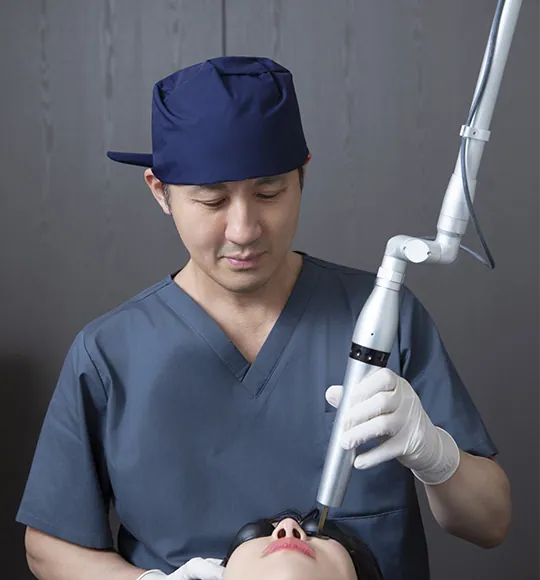
Written and medically reviewed by Dr. Jang Dong-hoon · Founder & Medical Director
Published · Updated · 13 min read
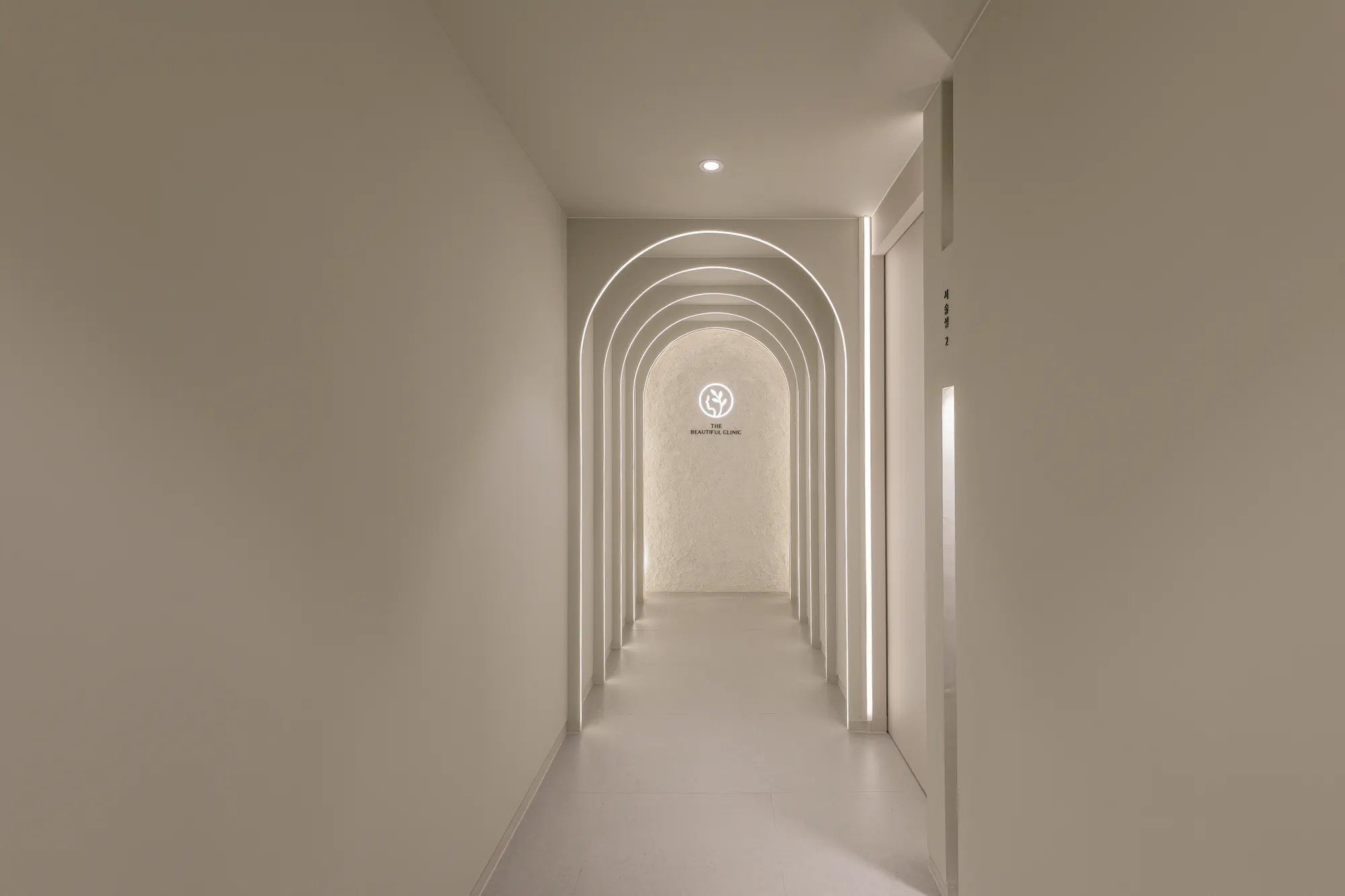
A stem cell injection korea search usually ends at a skin-booster treatment injected into the face for skin quality, and the research behind it is still early, built on small studies with short follow-up. If you've spent evenings reading threads before booking, the worry underneath is whether you'll know what is actually going into your face, and what happens if your skin reacts after you fly home to a doctor who has never heard of the product. Both questions have concrete answers, and they are worth settling before the flight. At THE Beautiful Clinic the consultation begins with a 3D skin scan, and the doctor who examines you is the one who plans and injects, with no counsellor package sales.
The clinic lists Stem Cell Therapy among its skin boosters and regeneration treatments, alongside exosome, polynucleotide and collagen-building injections, with downtime described as minimal. Boosters, in the clinic's own words, ask the skin to make its own collagen rather than borrowing volume from a gel. That description is also the limit: a booster works on skin quality, and it does not lift tissue that has dropped.
If you're weighing it, send one question on WhatsApp together with a daylight photo of your face, for example which product would be used and what it contains. Messages are answered in English within 24 business hours.
What is actually in the syringe, or the facial?
Ask for the product name, then ask which of three things it contains: living cells, the culture medium that cells were grown in, or exosomes separated from that medium. These are different materials with different evidence, and the words stem cell on a menu can cover any of them.
A stem cell is a cell that can divide and turn into other kinds of cell. Grown in a lab, it releases proteins, growth factors and exosomes into the liquid around it, and that liquid is the culture medium, also called conditioned medium. Most products sold as a korea stem cell facial use that liquid or an extract of it, not living cells: the message reaches your skin, and the cell that wrote it stays in the lab.
| Term | What it means | Question for the clinic |
|---|---|---|
| Living stem cells | Whole cells that can still divide | Does the product contain living cells, and what is its approval status in Korea? |
| Culture (conditioned) medium | The liquid cells were grown in, carrying proteins and growth factors | Which type of cell was the medium taken from? |
| Exosome | A tiny packet released by cells that carries signals | How many cc will be used on my face? |
| Microneedling | Fine needles that open small, temporary channels in the skin | Is the product injected, applied after needling, or both? |
| Fitzpatrick type | A skin colour scale from I to VI | What is the pigmentation risk for my skin type? |
The clinic's exosome page describes exosomes as the small fraction of a stem-cell culture that does the talking: signalling particles released by cells. Whatever the product, write the name down before the injection, and ask whether you can photograph the box. A name is what lets a doctor at home look it up later.
Stem cell IV drips, hair treatments and cell banking show up in the same searches. They are different procedures with different risks, and this page is about the facial injection on the skin-booster menu.
Facial, serum or injection: how it reaches the skin
The outer layer of the skin is a tight barrier. A paper in Experimental Dermatology in 2000 set out the 500 Dalton rule: molecules larger than that pass poorly through intact skin, and proteins and exosomes are far larger. A stem cell serum spread on intact skin therefore mostly stays on the surface, which is why the delivery route shapes the result more than the label on the box.
- Injected: placed shallowly in small points across the face, as with a skin booster.
- After microneedling or fractional laser: applied while the skin has small channels temporarily open.
- On intact skin, as part of a facial: the effect is generally limited to surface hydration for a few days.
Which route suits your face depends on what the 3D scan shows, such as hydration, texture and redness. If a package names only the third route, expect skin that feels fresh for a few days rather than a change in skin quality.
The research is early, and the reviews say so
A 2025 systematic review in Stem Cell Research & Therapy by Jafarzadeh and colleagues looked at extracellular vesicles and conditioned media for skin lightening and rejuvenation. Its authors note that many included studies used small samples and short follow-up, and that many lacked blinding and placebo controls. They also point out that the composition of these products varies with cell type, culture conditions and processing.
On safety, the same review found no serious adverse events reported in the studies it included, while stating that the potential for immune reactions, allergic responses or unintended tissue remodelling remains unknown. In plain terms, the short-term picture looks reassuring in small studies, and the long-term picture has not been measured. Anyone researching a stem cell injection korea trip should weigh it on that basis.
Regulation is the other half. In the United States, the FDA has approved only cord-blood-derived blood-forming stem cells, and only for disorders of blood production.
It has warned patients about unapproved products, naming stem cells and exosomes among them, and lists reported harms including vision loss, tumour formation and infections. That is US regulation; Korea's Ministry of Food and Drug Safety regulates separately. The useful questions are what the product's status is in Korea, and whether your doctor at home will be comfortable with it.
Which skin concern fits which option?
The concern decides the option, and a booster fits only one row of this table:
| What bothers you | Usually considered | Why |
|---|---|---|
| Dull, thin-feeling skin, rough texture | Boosters such as stem cell, exosome or PN | They aim at skin quality over weeks |
| Hollowing or lost volume | Collagen stimulators such as Sculptra or Radiesse | Volume builds gradually from the skin's own collagen |
| Skin that has thinned: creping, fine lines | Thermage FLX | Monopolar RF works on dermal density |
| Skin that has dropped: cheek descent, jowls | Ultherapy Prime | Focused ultrasound reaches the SMAS layer |
If the cheek has descended, an injection aimed at skin quality cannot reposition it. That is a job for Ultherapy Prime and its three treatment depths, which works at 1.5, 3.0 and 4.5 mm, down to the SMAS. If specific lines are what bother you, which option suits which kind of line sorts them by cause. And if you're set on a booster, six consult questions that decide which booster suits your skin is a useful list to take into the room.
Who a stem cell booster suits: a worked example
Boosters made from stem cell derivatives make the most sense for skin that looks dull and tired, feels dry despite moisturiser, has a rough texture, or is recovering after laser. In each case the problem sits in skin quality. Deep pigment or melasma needs a pigment laser instead, and pitted acne scars need treatment that works on scar tissue.
Say you are 30, working in Jakarta, with tan combination skin, a face that looks dull after months of overtime, and five days in Seoul. If the scan shows under-hydrated skin and rough texture without meaningful laxity, a booster is worth discussing. If the face looks tired because the cheeks have started to drop, the doctor will say so and talk about lifting, a smaller plan, or waiting.
On tan or darker skin, any inflammation after needling can leave post-inflammatory pigmentation, so a gentler delivery route and daily sun protection afterwards both matter. Add a daylight side photo to the front one, so it is visible whether the change is in the skin surface or in where the cheeks sit, and mention your Fitzpatrick type if you know it.
When to skip it, and what can go wrong
Skip a stem cell injection korea booking, or put it off, in these situations:
- Your main concern is sagging or volume loss, which a booster does not correct.
- You are pregnant or breastfeeding; elective injections are generally postponed.
- The area has an active infection, a cold sore flare or inflamed acne.
- You had fillers recently, take isotretinoin, or use a medicine that affects healing. Tell the clinic about any of these in your first message.
- You have an autoimmune condition or take immune-suppressing medicine; immune responses are among the unknowns the research names.
- You need a product name for your home doctor and cannot get one.
The final decision on suitability is made at the in-person consultation, after the scan and the conversation. If you are weighing whether to wait until your next trip, when to postpone stem cell injections goes through the common cases.
What can go wrong after the injection
Most effects are local and short: redness, small bumps along the injection points, swelling and occasional bruising. Less commonly, an injection site becomes infected, swelling lasts longer than expected, or the skin reacts to the product itself. Your own skin may respond differently from what the studies describe, which is one more reason to know the product name.
Signs to act on at home, without waiting: redness that spreads, heat, increasing pain, pus, fever, or any change in vision after a facial injection. Those need a local doctor promptly, with the product name in hand.
If one of the points above applies to you, make it your one question on WhatsApp. A line such as 'I had filler in my cheeks four months ago' or 'I take isotretinoin' is enough. Messages are answered in English, and raising the detail now puts it in the conversation before you book flights.
Stem cell facial reviews: which claims hold up?
Social media reviews of a stem cell facial in Korea repeat the same few claims. Here is how each one reads against what the product actually is:
- "Skin glows the next day." Partly true. After shallow injections or microneedling, skin can look hydrated and slightly swollen for a few days, and that is often read as glow. A change in skin quality, if it comes, takes weeks, because collagen builds slowly.
- "Stem cells grow new skin." Not for a product with no living cells. The signal from the culture-derived ingredient is what acts, and your own skin does the repair.
- "There is no downtime at all." Downtime for Stem Cell Therapy is listed as minimal, which is not the same as none. When the ingredient goes in by needle, small dots, redness or a light bruise can still appear.
- "Once is enough forever." No. Like other boosters, the effect builds gradually and fades over time, and how many sessions a plan needs is set at consultation.
- "The more expensive, the more stem cells." You can't conclude that. The figure is also shaped by the amount of product, the size of the area, the number of sessions and any add-on treatment.
Stem cell injection Korea cost: what decides the figure?
Stem Cell Therapy carries no figure on the clinic's English price list, so it is quoted at consultation, after the 3D Meta-Vu scan. What moves that quote is concrete, and the table works as a list of questions for any quote you have saved.
| Factor | Why it changes the cost | What you can ask |
|---|---|---|
| Product type | Culture products, extracts and your own cells are made by different processes | What is in this vial and where does it come from? |
| Amount and area | Full face, under eyes and neck use different amounts of product | How much product for my area? |
| Number of sessions | New collagen forms gradually, so some plans have more than one session | How many sessions, and how far apart? |
| Delivery method | Injection by hand, an injector device, or combined with microneedling or a laser | Are numbing cream and add-on treatment included? |
| Days in Seoul | A multi-session plan needs repeat visits | Does the plan fit my leave dates? |
Two things are most often missed when people compare quotes: whether the figure is for one session or for a whole course, and whether numbing cream and any add-on treatment are included or added later. A higher figure is not a sign of more stem cells either, because the amount, the area, the number of sessions and any paired treatment all move it. The final quote comes before treatment, with no deposit and no obligation to go ahead.
Exosome, the related booster that does carry a list price, is 129,000 KRW for 3cc and 258,000 KRW for 6cc per session, and the exosome injection Korea price guide sets it out in full.
Prices are from the list of 20 August 2026 and exclude 10% VAT. The final figure is confirmed at consultation, after the 3D Meta-Vu scan and before anything is started.
How does it fit a short Seoul trip?
Boosters can usually be done straight after the consultation, so a single visit can cover the scan, the conversation and the injection. The clinic describes stem cell downtime as minimal, and its exosome page lists none to same-day redness.
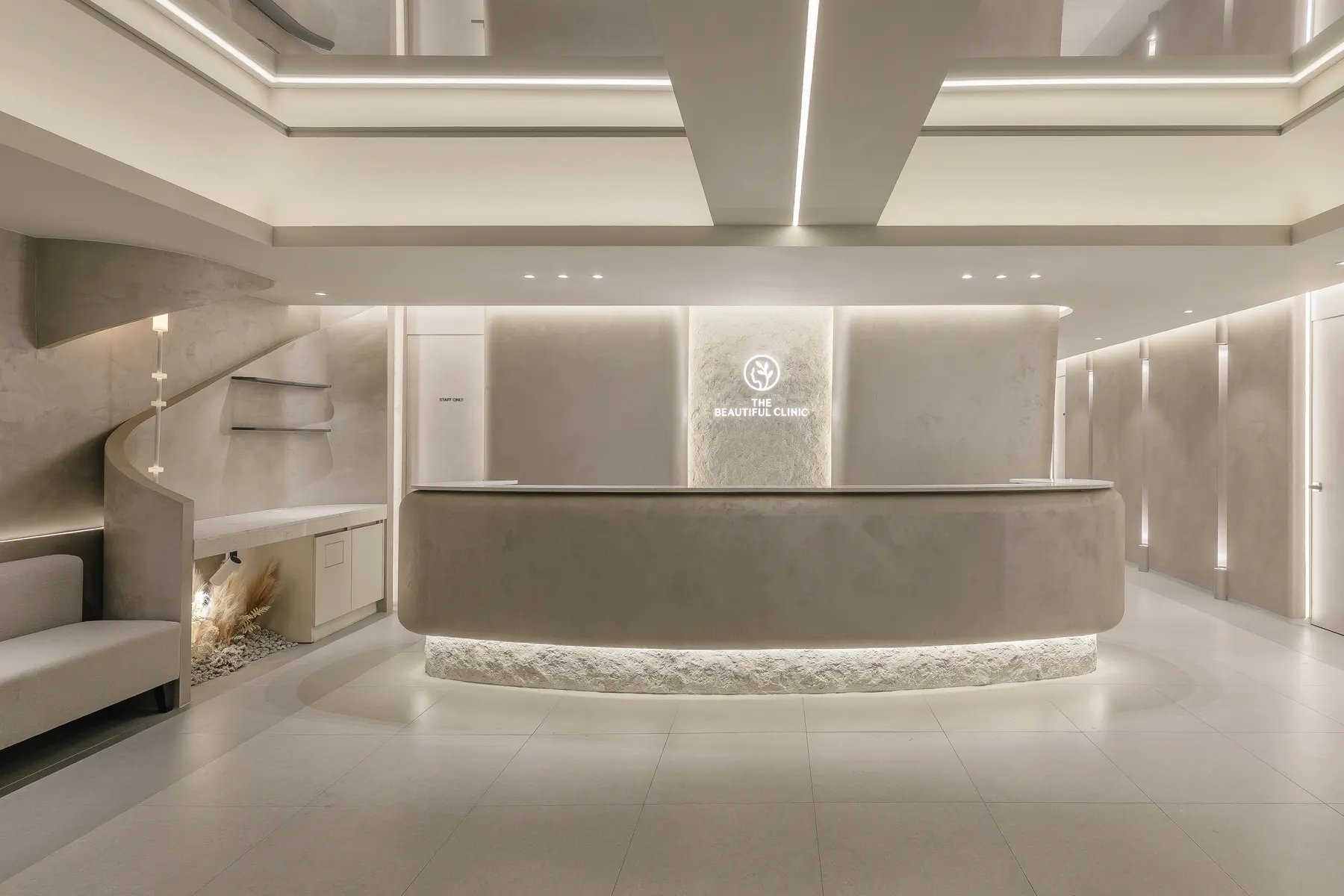
Opening hours shape the visit: Monday to Thursday 10:30 to 19:30, Friday 10:30 to 20:30, Saturday 10:30 to 16:30, closed Sundays and public holidays. Weekdays have a lunch break from 13:00 to 14:00; Saturdays run without one. The clinic is on the second floor of the Jinryeong Building, a 2-minute walk from Exit 5 of Nonhyeon Station on the Sinbundang Line.
Leave a day between the injection and the flight home, so any bruising shows itself while you are still in Seoul. How many sessions a plan needs, and how far apart, is set at the consultation. If lifting is part of the same trip, the Seoul days each lifting option needs lays out the schedule.
What your doctor at home will want to know
The CDC's medical tourism guidance advises getting copies of your records and arranging follow-up care at home before you travel. For a booster, that record is short: the product name, what it contains, the date, the areas injected, and any medicine you were given.
To start, send a daylight photo of your face and the one question you most need answered on WhatsApp, such as what the product contains or whether your recent filler matters. The reply comes in English. If you already know what you want to ask about, tick Stem Cell Therapy in the booking selector and send that list on WhatsApp.
The short version
- The word stem cell can mean living cells, culture medium or exosomes, and most stem cell facials contain no living cells, so ask for the product name and contents.
- A 2025 systematic review found small studies, short follow-up and unknown long-term effects.
- Boosters work on skin quality; sagging and volume loss need other tools.
- Skip or wait if you are pregnant, have active infection or inflamed acne, or take medicines that affect healing.
- Stem Cell Therapy has no list price and is quoted at consultation; the figure moves with product, amount, area, sessions and delivery.
Questions patients ask
Is a stem cell facial or moisturizer the same as an injection?
No. Creams and facials apply products to the surface, and large molecules pass poorly through intact skin. An injection places the product inside the skin. Most products sold as a stem cell facial also contain culture medium or exosomes rather than living cells, so ask for the product name either way.
When will I know the final price for a stem cell injection?
Stem Cell Therapy has no figure on the clinic's price list, so it is quoted at consultation, after the 3D scan and before treatment starts, with no deposit and no obligation to go ahead. You can ask for an idea first on WhatsApp by naming the area you want to improve.
How soon would I see a change?
Boosters work on skin quality over weeks, because the skin builds its own collagen gradually. The day after, what you see is mostly the injection itself, such as small bumps or redness. Judge the result after several weeks.
Can it be combined with exosome or a lifting device on the same trip?
Combinations are possible, and whether two treatments belong in the same visit depends on the layers they target and how your skin responds. That plan is made at consultation. If you want both, mention it in your first message so the days can be planned.
What should I tell the clinic before the injection?
Tell them about recent fillers, isotretinoin and any medicine that affects healing, plus pregnancy, autoimmune conditions or past reactions to injections. Come with clean skin and no makeup if possible.
Can I fly the day after?
Downtime for Stem Cell Therapy is listed as minimal, and flying is usually not a problem after this kind of treatment. Small bruises can still show a day or two later, so leave at least one day in Seoul between the injection and the flight home.
Is it suitable for tan or darker skin?
Injections and microneedling do not rely on heat the way some lasers do, but inflammation after needling can still leave post-inflammatory pigmentation. Mention your Fitzpatrick type in your first message, and protect the skin from the sun once you are home.
Results and recovery vary between individuals, and every treatment can have side effects. Prices are from the clinic's price list and are confirmed at consultation. This article is general information, not a diagnosis.
Sources
About the author
Dr. Jang Dong-hoon
Founder & Medical Director
Founder and medical director of THE Beautiful Clinic in Nonhyeon, Gangnam. He sees every patient's skin analysis before a plan is drawn, and reviews every article on this blog against what the clinic actually does.
Credentials in full