
Acne & pores
Seoul Therfect 2024: how 4 MHz radiofrequency works and who it suits
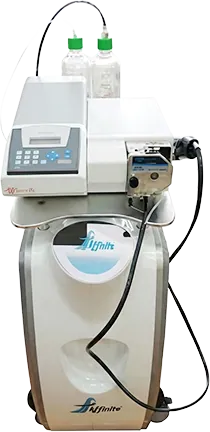
Therfect (Surfect on our price list) is 4 MHz monopolar radiofrequency for pores and texture, often confused with Thermage. Our Seoul clinic is a 2 minute walk from Nonhyeon Station Exit 5.
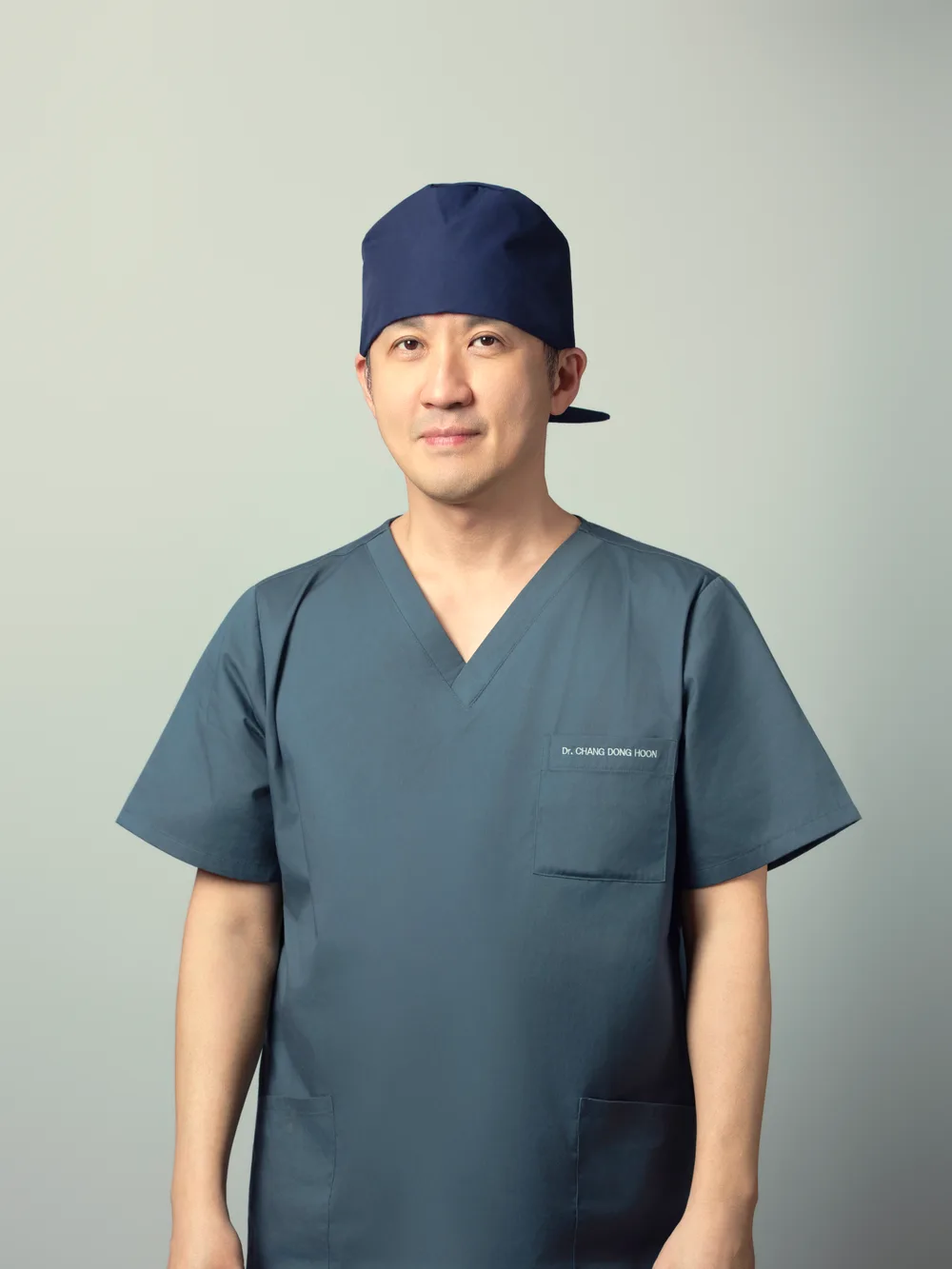
Written and medically reviewed by Dr. Jang Dong-hoon · Founder & Medical Director
Published · Updated · 10 min read
The name Seoul Therfect 2024 keeps appearing in skincare videos, but does this device actually suit enlarged pores and skin that is starting to feel less firm, or would you just be paying for a name that happens to be trending?
Therfect, spelled Surfect on our price list, runs 4 MHz monopolar radiofrequency into the dermis, with energy adjusted to the condition of the skin, for regeneration and firmer skin. At our clinic it sits on the acne, scar and pore menu, so it makes most sense for texture, pores and a mild loss of skin density. For cheeks that have clearly dropped, another device is usually the better fit.
Hello, I'm Dr. Jang Dong-hoon, Founder & Medical Director of THE Beautiful Clinic in Seoul.
I'm a member of the Korean Society for Laser Medicine, and at this clinic I consult, plan and treat myself. The consultation begins with a 3D scan of your skin, not with a price list, because pores enlarged by oil and pores enlarged because the skin has lost density call for different approaches. A member of staff interprets for foreign patients at no charge.
If you're not sure whether your concern is pores, texture or laxity, send one photo of your cheek from the side in daylight on WhatsApp, and say whether your skin has ever left dark marks after a laser. With that photo, your question is about your own skin from the start.
What is Therfect?
On our device page, Therfect is described in a single line: 4 MHz monopolar radiofrequency, with energy adjusted to skin condition for regeneration and firmness. Two details in that line matter most to you: radiofrequency, and the dermis it is aimed at.
Radiofrequency energy heats the dermis, the collagen-rich layer beneath the surface of the skin. Controlled heat there prompts the skin to repair itself and build new collagen over the following weeks to months. A lattice tip spreads the energy across the treated area, and real-time temperature monitoring keeps each session inside a set temperature range. Because the process is gradual, the mirror on treatment day does not show the final result.
What Seoul Therfect 2024 videos rarely mention is where it sits on the menu. At our clinic Therfect is listed in the acne, scar and pore group, alongside Potenza and Fraxel, and not in the lifting group. That placement tells you which concerns it is most often considered for. Besides standard sessions, we also list a fractional tip option counted per number of shots. The details of each option are on the Therfect treatment page.
Why Therfect gets mixed up with Thermage
The names sound alike, and both are monopolar radiofrequency devices talked about as treatments for firmer skin. What separates them at our clinic is the job each one is given. Thermage FLX sits on the lifting menu and heats the collagen-rich dermis, and I recommend it when the skin is thinning more than it is dropping. Therfect is 4 MHz radiofrequency on the acne, scar and pore menu, with a lattice tip aimed at texture and scarring.
| Treatment | Energy, as the clinic describes it | Usually considered for |
|---|---|---|
| Therfect | 4 MHz monopolar radiofrequency, lattice tip | Pores, texture, regeneration, mild firmness |
| Thermage FLX | Monopolar radiofrequency to the dermis | Thinning skin, fine lines, jawline |
| Ultherapy Prime | HIFU down to the SMAS | Dropped cheeks, nasolabial folds, heavy brows |
Choosing a device by its name is a risk. A device that helps pores will not necessarily lift a dropped cheek, and a device that reaches the SMAS is not designed to refine texture. Because our clinic owns several tightening platforms, the honest answer to your consultation is sometimes a different machine, sometimes a smaller plan, and occasionally nothing at all this month.
If what you're actually weighing is two radiofrequency devices, our pages on Oligio and Thermage FLX, including how it is counted per shot go into more detail.
Does Therfect suit your skin?
Therfect makes most sense if your concern sits at the surface and in the dermis: pores that look enlarged, texture that feels rough to the touch, early fine lines, or skin that feels less dense even though it hasn't dropped. If you only have a few days of leave, a device that leaves no visible marks is also easier to fit into the schedule.
For other concerns, another device is usually the better fit:
- Cheeks and jawline that have already dropped: HIFU that reaches the SMAS, such as Ultherapy Prime, or a Total Lifting plan with several devices.
- Fat in the lower cheeks or under the chin: energy aimed at fat, such as ONDA microwave or InMode.
- Active acne that keeps coming back: insulated-needle RF that works at the oil gland, on the same menu.
- Deep pitted acne scars: fractional resurfacing such as Fraxel, with redness and peeling for three to seven days.
Say you're 32, you live in Jakarta, your skin is oily, the pores on your cheeks show clearly in photos, and your skin feels less firm than it did two years ago. You have five days in Seoul. In that situation, my first question is whether those pores are surrounded by skin that has lost density, or are mostly filled with oil from an active gland. If density is what has dropped, energy beneath the surface such as Therfect makes sense. If the gland is active with recurring breakouts, I would point you toward a device that works directly on that gland.
Redness and dark marks after Therfect: how likely
According to our clinic FAQ, Therfect is not among the treatments with visible downtime; that list includes Fraxel, Agnes, thread lifting and filler. With the other treatments you can usually look normal the same day, at most with a few hours of redness. Warmth, mild tenderness or slight swelling can also appear and usually settle within one to two days. If the fractional tip option is used, ask about its recovery separately.
For darker skin, there is one thing to understand. In general, radiofrequency energy does not target skin pigment the way a laser does, so the risk of heat-related marks at the surface tends to be lower. But DermNet explains that any inflammation in darker skin can leave postinflammatory hyperpigmentation, dark patches that fade slowly over months. The American Academy of Dermatology also notes that sun and heat can worsen melasma, so sunscreen after landing at Soekarno-Hatta matters as much as the treatment itself.
It is better to postpone Therfect if:
- There is inflamed acne, a wound or an infection in the area to be treated.
- You are taking, or have recently finished, isotretinoin.
- You have had filler, laser or a peel in the past few weeks.
- You are pregnant or breastfeeding.
- Your skin is currently sunburned.
Mention these when you contact us, together with your Fitzpatrick type if you know it. Skin reactions differ from person to person. If after flying home the redness lasts more than a few days, or dark patches, blisters or increasing pain appear, photograph the area in daylight and send it on WhatsApp with your treatment date. If there are signs of infection or blistering, see a dermatologist in your city and bring a note of the device name and the date.
Before you book, send a list of the creams and medicines you use now, especially any retinoid or isotretinoin, and the date of your last laser or filler. That way you can ask straight away whether your arrival dates in Seoul are safe for Therfect.
Five days in Seoul: where Therfect fits
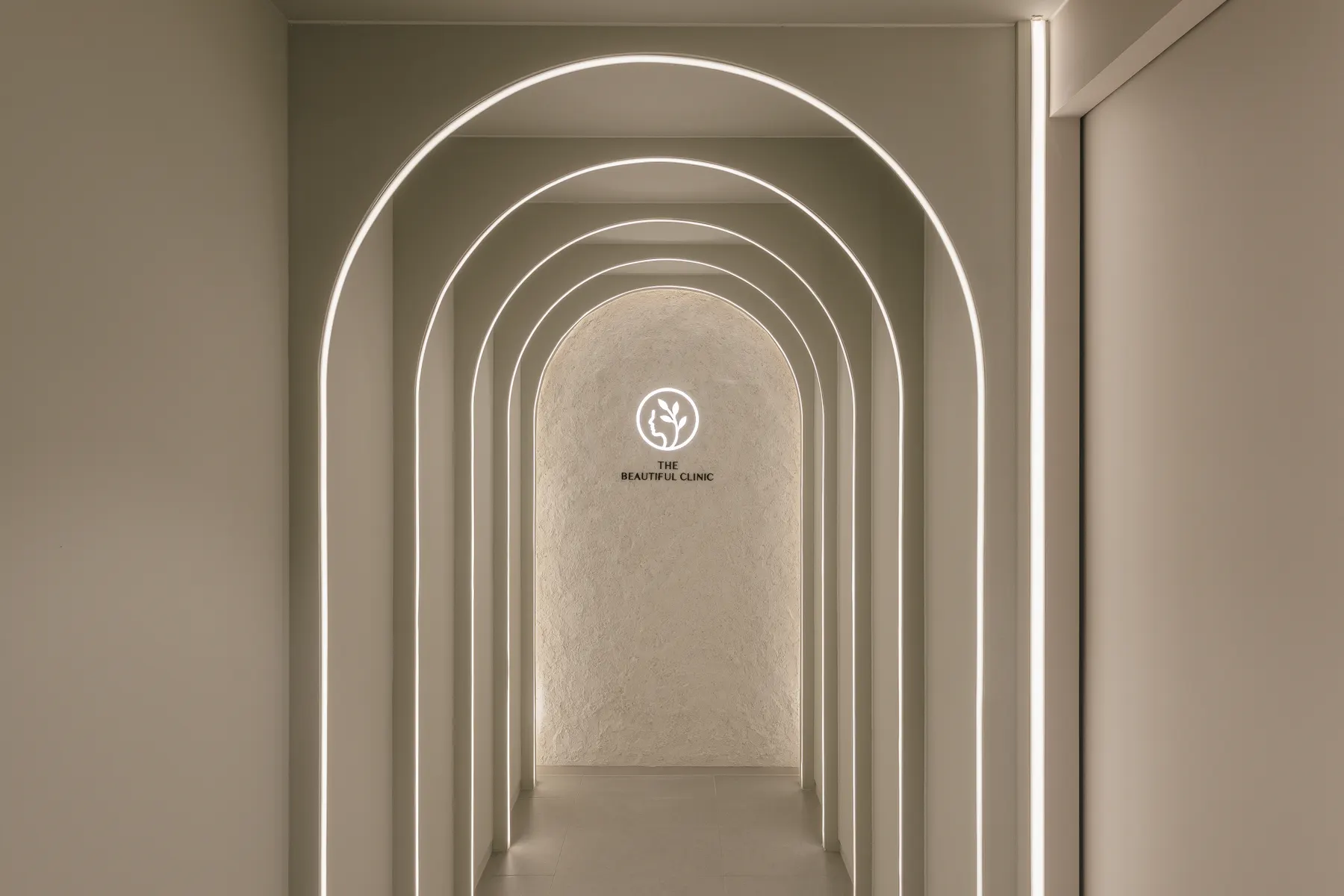
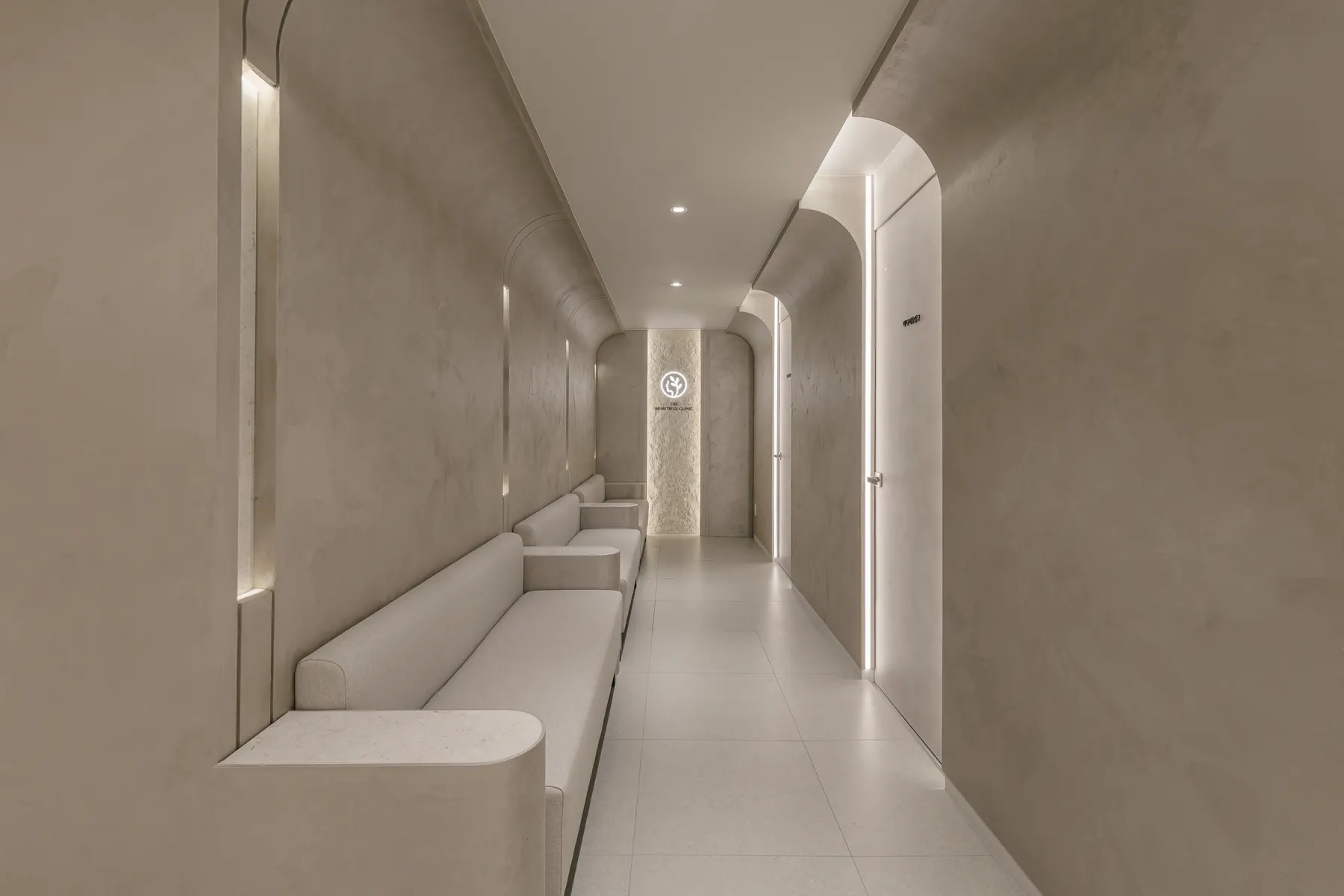
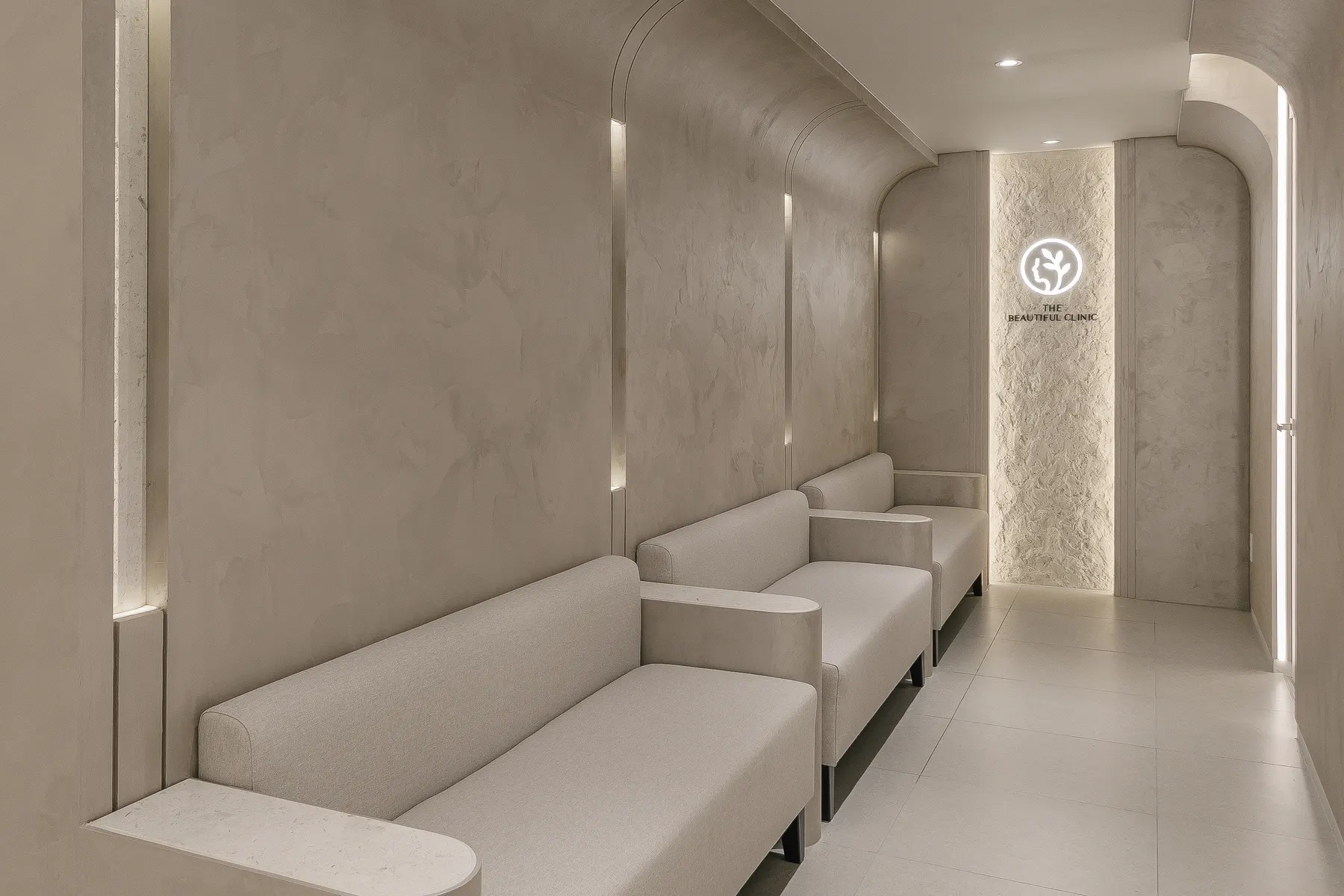
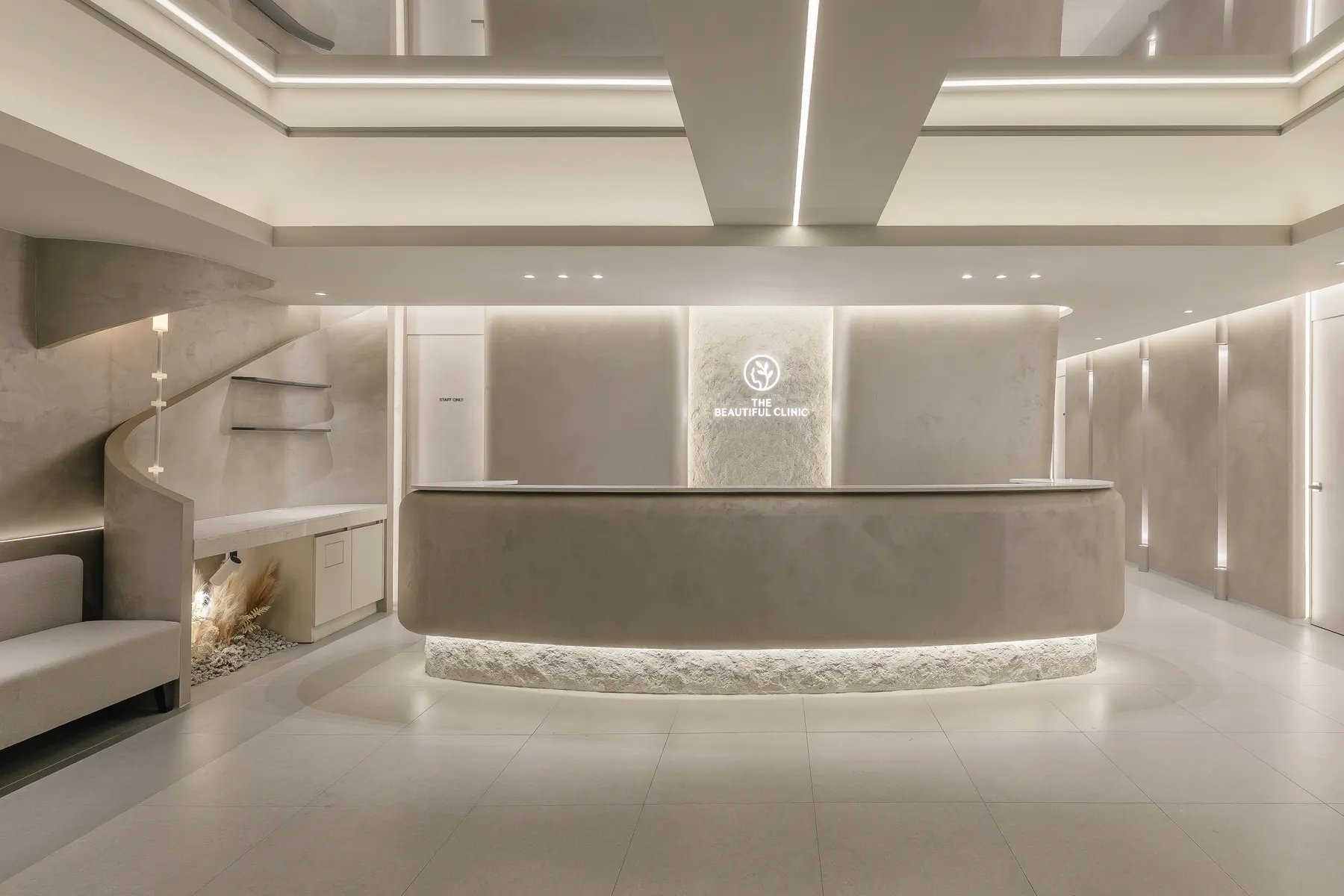
Our clinic is on the 2nd floor of the Jinryeong Building, 545-12 Gangnam-daero, Seocho-gu, a 2 minute walk from Exit 5 of Nonhyeon Station on the Sinbundang Line. There is no patient parking, so come by subway or taxi. We are open Monday to Thursday from 10:30 to 19:30, Friday until 20:30, and Saturday from 10:30 to 16:30 with no lunch break. On weekdays there is a lunch break from 13:00 to 14:00, and we are closed on Sundays and public holidays.
My practical advice: put the consultation on your first or second day in Seoul, not your last. According to our FAQ, lasers, boosters and aesthetic injections can usually be done right after the consultation; ask when you book whether Therfect can be scheduled the same day. If the 3D scan shows your skin suits Fraxel better, for example, you still have a few days for the redness. Friday evenings and weekends fill fastest, so contact us as soon as your dates are fixed.
Come with a clean face and no makeup if you can. Before laser treatment, our FAQ advises avoiding sun exposure and retinoids for a few days; ask whether the same applies to your plan. If your plan ends up shifting to a device for the lower face, our InMode treatment page helps you count the nights you need in Seoul.
General clinic information for international patients is on the THE Beautiful Clinic home page, and you can request a time through the treatment booking page. There is no deposit, and changing or cancelling is free, so if commitment is what is holding you back from booking, asking costs you nothing.
How many days before you can fly home?
For a standard Therfect session, there is no set recovery period you need to spend in Seoul, because it is not on the list of treatments with visible downtime in our FAQ. What you do need to leave is room in case the plan changes after the scan. Dry cabin air can make the skin feel tight, so keep a moisturizer in your carry-on.
If you're considering the three or five session courses we list, ask about the interval between sessions before you book. That interval decides whether the next session can line up with your next trip to Seoul, or whether a single session makes more sense for this trip. How many sessions you need can only be discussed once your skin has been scanned.
If Seoul Therfect 2024 is what brought you to this page, the next step is small: send your Seoul dates on WhatsApp, one photo of your face in daylight, and one question about your own skin, for example whether your pores are better treated with Therfect or with another device on the same menu. One photo is enough, and you can ask before booking anything. We reply within 24 business hours, and the clinic is also open on Saturdays from 10:30 to 16:30. When you come, the first thing I look at on the 3D scan is the density of the skin around the pores on your cheeks. To pick dates, tick Surfect in the booking selector.
At a glance
Surfect at a glance
- Works onDermisDowntimeUsually noneTypically lastsBest in a repeating courseFrom≈ $289₩389,000
Which one fits is decided at the examination, not from this table. Prices are the lowest listed option, before 10% VAT. US dollar figures are approximate, at the exchange rate of 10 November 2026. The clinic charges in Korean won.
The short version
- Therfect (Surfect on our price list) is 4 MHz monopolar radiofrequency with energy adjusted to the condition of the skin.
- At our clinic it sits on the acne, scar and pore menu, with a fractional tip option counted per shot.
- Cheeks that have clearly dropped usually suit HIFU or a multi-device plan better.
- Darker skin still needs strict sunscreen after flying home, because inflammation can leave dark patches.
- Book the consultation on day one or two in Seoul so the plan can still change.
Questions patients ask
Does Therfect hurt?
Most people feel warmth or a brief hot prickle as the energy goes in, and bony areas such as the jaw usually feel sharper than the cheeks. If you are sensitive to pain, ask about numbing cream when you book.
When does the skin start to change?
The skin can look a little fresher within a few days, but collagen builds gradually over several weeks to months. The change you see in the mirror after you are back home matters more than how you look on day one.
Can I wear a hijab and makeup after treatment?
A hijab can usually be worn straight away; choose clean fabric that does not rub while the face still feels warm. Makeup is better left until the redness settles, and during wudu simply rinse the face gently without scrubbing.
Can Therfect be combined with another treatment in one visit?
Two devices in one visit only make sense when they target different layers of the skin. Where the layers overlap, we space them out instead.
How many Therfect sessions will I need?
We list Therfect as a single session or as courses of three and five sessions, but the right number for you cannot be decided from a photo. It is discussed after the 3D skin scan, together with how often you can come to Seoul.
What decides the cost of Therfect for me?
The number of sessions, whether the fractional tip option is added and how many shots it uses, and how many areas are treated. The figure is confirmed at the consultation, and you can ask for the range first on WhatsApp.
Results and recovery vary between individuals, and every treatment can have side effects. Prices are from the clinic's price list and are confirmed at consultation. This article is general information, not a diagnosis.
Sources
About the author
Dr. Jang Dong-hoon
Founder & Medical Director
Founder and medical director of THE Beautiful Clinic in Nonhyeon, Gangnam. He sees every patient's skin analysis before a plan is drawn, and reviews every article on this blog against what the clinic actually does.
Credentials in full