
Skin boosters
ASCE exosome Korea is not stem cells: who is it for? Cost, reviews, methods
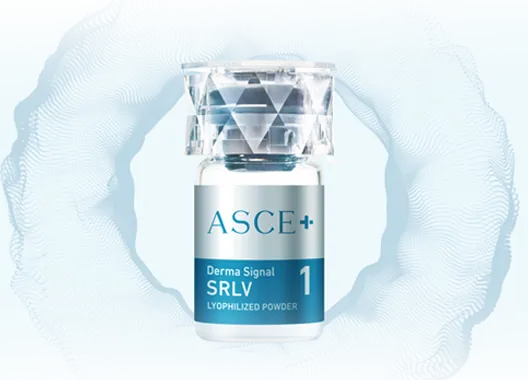
ASCE exosome is an exosome-based skin booster with no living cells, better suited to dull, dry skin than to sagging. At our clinic it comes in 3cc and 6cc options per session, starting with a 3D skin scan.
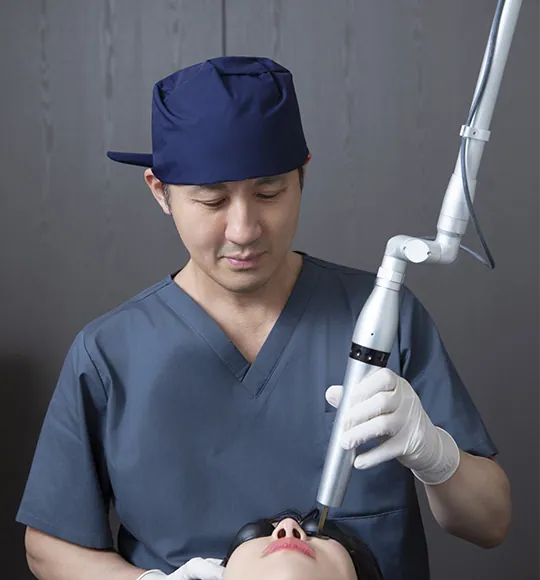
Written and medically reviewed by Dr. Jang Dong-hoon · Founder & Medical Director
Published · 11 min read

Curious about ASCE exosome Korea for a short trip to Seoul, but not sure whether it is a stem cell injection, and whether it is worth your savings and your limited days off?
Before you add it to the itinerary, read this to the end.
By the end you'll know what decides the cost, which review claims hold up, and how it is delivered, including how exosomes actually work in the skin. That way you can judge whether exosome answers your skin concern and fits this trip's budget, or whether another option makes more sense.
ASCE exosome is a skin booster based on exosomes, nano-sized vesicles released by stem cells while they are cultured, with no living cells inside. It makes more sense for dull, dry skin or skin recovering from irritation, and it is not the main option for sagging or hollow areas of the face.
If you're unsure which group your skin belongs to, send one photo of your face without makeup, in daylight, on WhatsApp, with one question: “My main concern is dullness and dryness, does exosome make sense?” An unfiltered photo lets your question be discussed based on your own skin.
Exosomes carry no cells: how they work in the skin
The cells in our body talk to each other. One way they do it is by releasing tiny pouches filled with proteins, fats and genetic material such as RNA. Those pouches are exosomes. Picture it this way: the stem cell is the factory, and the exosome is the letter the factory sends to other cells.
With ASCE exosome, what you receive is the letter, not the factory. No living stem cells go into your skin. This small part of the stem cell culture is expected to talk to skin cells, sending signals linked to recovery, inflammation and collagen formation.
That also explains why the result is not instant like filler. Skin boosters ask the skin to make its own collagen, without borrowing volume from a gel. Each type of booster, whether PN, PLLA, CaHA or exosomes, works on a different timeline, so the type you choose matters more than the brand.
One thing to hold on to: a 2025 review for dermatologists in the Journal of Clinical and Aesthetic Dermatology describes strong interest in exosomes, while the clinical evidence in dermatology is still limited and comes mostly from early research. So we place exosome as support for skin quality, and not as a treatment that changes the shape of the face.
Is an exosome serum at home the same as clinic treatment?
Many skincare products now put the word exosome on the label. The question is whether exosomes can cross intact skin.
Dermatology has a principle known as the 500 Dalton rule: molecules that easily cross the outer layer of the skin are generally under 500 Daltons. Exosomes are far larger than that, because each one is a whole vesicle, not a single molecule. A healthy outer skin layer is built to hold back something that size.
That is why, in clinics, exosomes are generally delivered in a way that carries them past that layer. A home serum can still help surface moisture, but don't expect the same effect as exosomes that reach the dermis.
ASCE exosome Korea methods: how is it given and how many cc?
In general there are two ways to deliver exosomes. The first is shallow micro-injections into the dermis, small points across the treated area of the face, similar to how other skin boosters are given. The second is applying exosomes right after microneedling or a fractional laser, while micro-channels let the fluid travel deeper. In some plans, exosomes are also added after a laser to support the skin's recovery phase.
At our clinic, ASCE exosome Korea comes in 3cc and 6cc options per session. You can ask at the consultation which delivery method and volume make sense for your face, and an overview of the treatment is on the Exosome treatment page.
Who is it for, and when do we suggest something else?
The question that decides the most is which layer your concern comes from. Dullness and dryness sit at the surface and upper dermis. Sagging involves deeper layers, down to the fascia.
Hollowing means volume has been lost. Exosome signals are most relevant to the first group.
| Skin concern | Does exosome make sense? | Also worth considering |
|---|---|---|
| Dull, dry, rough texture | Often makes sense | A PN booster such as Rejuran |
| Redness and sensitivity after a laser | Can support recovery | Spacing before the next laser |
| Sagging along the jaw and cheeks | Not the main option | HIFU lifting such as Ultherapy Prime |
| Hollow temples or cheeks | Does not add volume | A collagen stimulator such as Sculptra |
| Active, inflamed acne | Better to wait | Calm the inflammation first |
If dryness is your main concern, the other booster routes are compared side by side in our skin booster comparison.
Say you are 26, work in Jakarta, have five days off in Seoul and a budget for one treatment only. Your skin is medium brown, oily in the T-zone, dry on the cheeks, dull after months of overtime, and you still have two or three inflamed spots on your chin. In that situation, the first thing we would want to know is whether those spots are still active, because active inflammation is a reason to hold off on injections in that area.
If the inflammation has settled and your main concern is dullness and dryness, exosome can make sense as the one treatment for this trip. If what bothers you most is the red marks left after acne, a treatment for redness may answer your concern better, with exosome only as support.
Darker skin deserves one note. Skin with a higher Fitzpatrick type is more prone to dark marks after inflammation. Exosome itself does not work with heat, but if it is combined with a laser, the laser settings become part of the discussion.
If one of the rows in that table sounds like you, send on WhatsApp a list of the skin treatments you've had in the last three months, the medicines you take, and your Fitzpatrick type if you know it. Ask one thing: “With this history, is exosome right for me on this trip?” That history lets your question be discussed for your situation, not only in general terms.
ASCE exosome Korea reviews: the claims that hold up and the ones that stretch
On TikTok and forums, exosome reviews usually circle a few of the same claims. Here is how they read medically:
- “Skin glows the next day.” Partly true. Skin can look more hydrated and fresh within a few days, but changes in skin quality linked to collagen usually take weeks.
- “It's a stem cell injection.” Wrong. Exosomes are vesicles released by cells, with no living cells inside.
- “It's natural, so it must be safe.” Wrong. The US Food and Drug Administration (FDA) states that there are no approved exosome products there, and it has received reports of serious adverse events from unapproved exosome products. Where the product comes from and how it is given both shape the risk.
- “One treatment lasts a long time.” Nobody can promise how long the result lasts or how many sessions you'll need.
What decides the cost of ASCE exosome in Korea?
The first factor is volume. Our clinic offers 3cc and 6cc options per session, and a larger area, for example the face plus the neck, usually needs more volume. The second factor is the number of sessions planned, which can't be set before your skin is examined.
The third factor is the delivery method: injections alone, or combined with microneedling or a laser, which adds to the cost. The fourth is any other treatment you want on the same trip. The listed per-session figures for 3cc and 6cc are in our exosome injection Korea price guide.
For the figure for your own case, ask on WhatsApp what exosome would cost for the area you want treated. You can also ask for the range before you come in.
How many days in Seoul should you plan?
Skin boosters can usually be done straight after the consultation. Exosome downtime ranges from none to redness that fades within the day, so it doesn't eat into your holiday. Still, put it on day two or three of the trip rather than your flight day, in case a small bruise appears at an injection point.
Booking a few days ahead is usually enough, but weekends and Friday evenings fill up first. Once your dates are fixed, you can book exosome directly on the booking page.
The clinic is open Monday to Thursday 10:30 to 19:30, Friday 10:30 to 20:30 and Saturday 10:30 to 16:30. Sundays and public holidays are closed. Lunch break is 13:00 to 14:00, except on Saturdays. It is on the 2nd floor of the Jinryeong Building, a 2-minute walk from Exit 5 of Nonhyeon Station on the Sinbundang Line.
Risks and side effects to know
The most common reactions are temporary: redness for a few hours, and with the injection method, small bumps at the injection points and occasionally bruising that usually fades within a few days. Every skin responds differently, and whether it suits you is confirmed at the in-person exam.
As general medical guidance, it is better to postpone or skip exosome if:
- there is an infection, a wound or inflamed acne in the area to be treated
- you have just had a laser or peel on the same area
- you are taking isotretinoin
- you are pregnant or breastfeeding
- you have a history of allergy to the product's ingredients
Once you are back home, watch for signs that aren't normal: redness that keeps spreading after two days, swelling that feels hot, pain that increases, pus, or fever. If that happens, see a doctor in your city promptly, then send a photo of the area on WhatsApp with your treatment date. Protect the skin from tropical sun with sunscreen during the first week, since freshly treated skin irritates more easily.
The first step is small: send one photo of your face without makeup and your Seoul dates on WhatsApp, then ask, “Does exosome make sense for my skin, or is something else better for this trip?” You can ask before booking anything, and the clinic answers messages within 24 business hours. When you come in, the doctor examines your skin with a 3D scan and recommends the treatment that fits, including when the answer is a smaller plan.
The short version
- Exosomes are small vesicles released by cultured stem cells; no living cells are injected.
- Exosome makes more sense for dull, dry or recovering skin, not for sagging or hollows.
- Home serums struggle to cross intact skin because exosomes are far larger than the 500 Dalton limit.
- Cost depends on volume (3cc or 6cc), number of sessions, delivery method and combined treatments.
- Downtime ranges from none to a few hours of redness, so it fits a short trip.
Questions patients ask
Does ASCE exosome contain living stem cells?
No. Exosomes are small vesicles released by stem cells while they are cultured. What goes into the skin is the vesicles carrying those signals, with no living cells inside.
Can exosome be done right after the consultation?
Often, yes. Skin boosters can usually be done straight after the consultation, as long as the exam finds no active inflammation or other reason to wait.
When can I fly home after exosome?
Downtime is usually just a few hours of redness, so it does not need dedicated recovery days. To give yourself room, book it on day two or three of the trip rather than your departure day, since small bruises at injection points sometimes appear.
Is exosome suitable for darker skin?
Exosome does not work with heat, so the risk of dark marks after inflammation relates more to irritation and to combined treatments such as lasers. Mention your Fitzpatrick type when you contact the clinic so the plan can start from there.
Can exosome be combined with a laser or another booster?
Yes, and exosomes are often used after a laser or microneedling to support recovery. The order and spacing are discussed at the consultation, especially if you are also planning a heat-based treatment.
What should I prepare before coming in?
Come with a clean face and no makeup if you can. Tell the doctor if you have had filler recently, take isotretinoin, or take any medicine that affects healing.
Results and recovery vary between individuals, and every treatment can have side effects. Prices are from the clinic's price list and are confirmed at consultation. This article is general information, not a diagnosis.
Sources
About the author
Dr. Jang Dong-hoon
Founder & Medical Director
Founder and medical director of THE Beautiful Clinic in Nonhyeon, Gangnam. He sees every patient's skin analysis before a plan is drawn, and reviews every article on this blog against what the clinic actually does.
Credentials in full